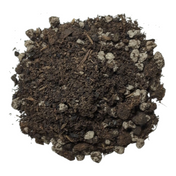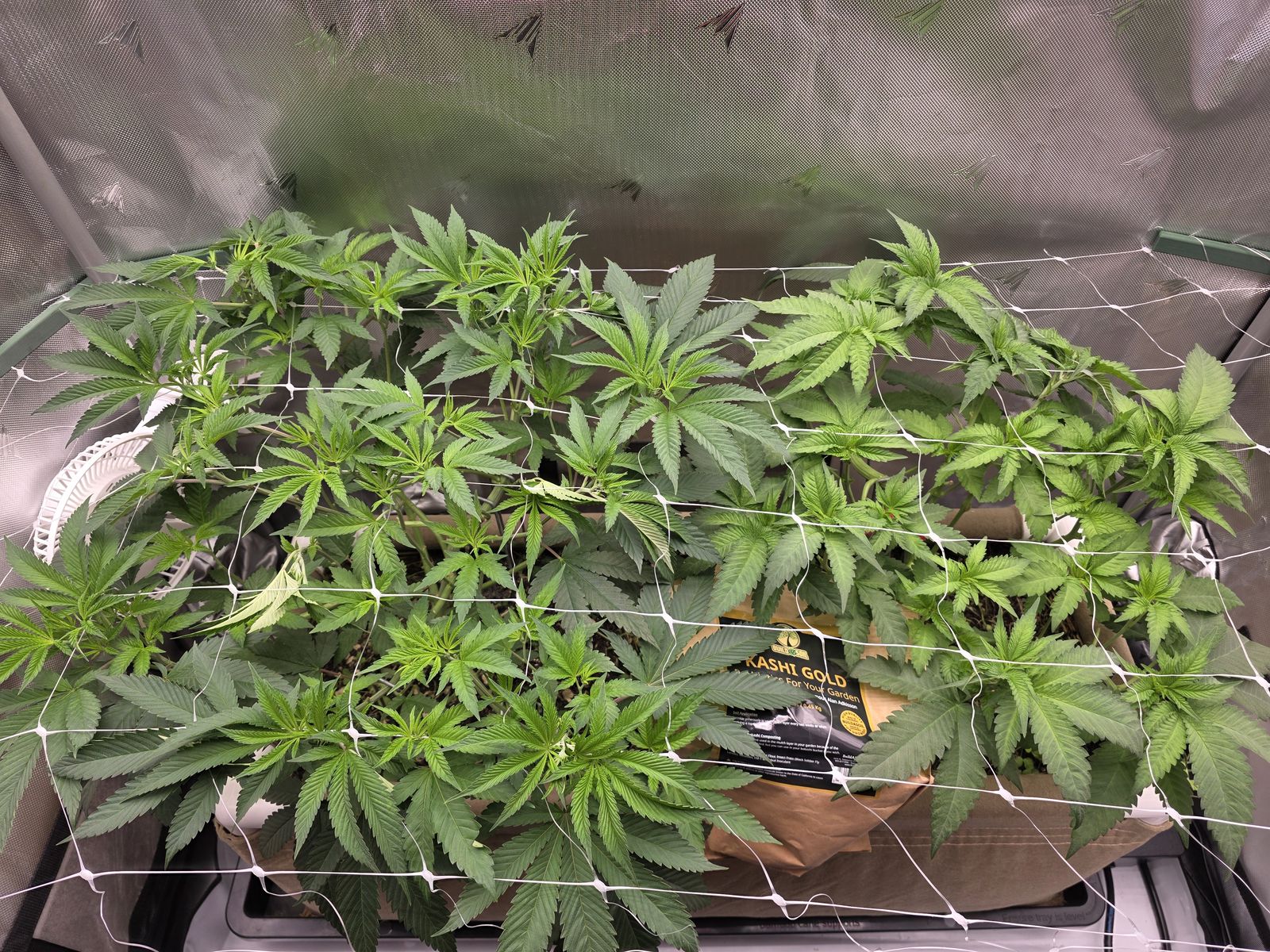
Reviewed by Michael
I recommend this product
5 Stars
more good stuff
Loading...
Was this helpful?
Free shipping on any 2+ items - Excludes Bulk


BuildASoil Kashi Gold is backordered and will ship as soon as it is back in stock.
BuildASoil is committed to sourcing the highest quality ingredients you can trust. over 10,000 Five Star Reviews and over a decade in business
Shipping is expensive, and it gets more expensive almost every year. We are not going to pretend otherwise. What we can tell you is that we work hard to find the most reliable and affordable way to get your order to you, and we pass along free shipping wherever it makes sense.
Free shipping on any order with two or more items. The one exception is bulk items, meaning the large or heavy products that have to move by freight or oversized parcel. If your cart qualifies, free shipping is applied automatically at checkout.
Most stores set free shipping at a dollar threshold. That works when you sell light things like clothing. We don't. We ship soil, amendments, and heavy real goods that are expensive and awkward to move, so a dollar minimum doesn't reflect what shipping actually costs us.
We are a small business with no outside financial backing, and we are not Amazon. We manufacture, pack, and ship everything in house so we can control quality, which means real people picking, boxing, taping, and labeling every order, and that means real jobs. When we ship a single item for free, the only way to cover it is to raise prices across the board, and we would rather not do that. Asking for two or more items on free orders lets us keep prices lower for everyone and keep shipping sustainable. We hate high shipping costs as much as you do, and this is the fairest way we have found to keep them down.
Every product page shows an estimated delivery window based on current fulfillment and carrier schedules, so you know what to expect before you buy.
Free on eligible orders with two or more items. We select the carrier and method.
Standard ground service.
Same standard transit, but we push it out the door the same day when we can.
Prioritized fulfillment with faster transit.
The fastest option we offer.
Bring your order confirmation and a valid ID.
For large or heavy orders.
For large or heavy orders, faster transit.
We ship with FedEx, UPS, and USPS, and we pick the carrier that gets your order to you reliably at the best cost. We cannot guarantee a specific carrier unless you arrange it with us ahead of time.
Orders to PO Boxes often cost more and usually do not qualify for free shipping. Use a physical address to avoid delays and added fees.
We ship to Alaska, Hawaii, Puerto Rico, Guam, the Northern Mariana Islands, and the US Virgin Islands. Free shipping generally does not apply to large or bulky items going to these destinations, though Hawaii and Alaska have more flexibility depending on carrier policy. Rates are quoted at checkout or on request.
We ship select items to Canada. Canadian customers need to choose "UPS Standard Shipping to Canada" at checkout so your order clears customs cleanly and you avoid surprise brokerage fees. Orders placed with other methods can be delayed or rejected at the border.
Some products ship directly from our vendor partners and show their own estimated ship dates on the product page. Questions about these go to support@buildasoil.com.
Freight orders arrive on pallets by box truck or semi. We assume you need liftgate service unless you tell us otherwise.
Inspect every freight shipment before you sign. Count the packages and check for damage. Signing the delivery receipt confirms the order arrived complete and undamaged, so note any problem on the receipt before you sign it.
Full truckload (FTL) orders are custom quoted after checkout based on your location, order volume, and how the truck will be unloaded.
We email tracking as soon as your order ships. If it does not arrive, check buildasoil.aftership.com with your order details, or email support@buildasoil.com.
This optional add-on at checkout covers your shipment against loss, theft, and damage, and we fast-track those claims for replacement or resolution. Even with protection, photos and documentation help us move carrier claims along faster.
Send all claims to support@buildasoil.com. We do not process claims by phone.
Include:
Hold onto the packaging and any damaged items until the claim is resolved, since carriers may require an inspection.
We help with every carrier claim we can. But once an order is in the carrier's hands, we cannot control delays, damage, or misdelivery, and the carrier makes the final call on claims.

BuildASoil Kashi Gold is backordered and will ship as soon as it is back in stock.
Solid state ferment, made by hand
You already have compost, castings, and dry amendments sitting under your mulch. Whether any of it reaches the plant comes down to the biology working that layer. Kashi Gold is EM-1 fermented onto a rice bran carrier, which means you can put that culture exactly where the food is, in a form that stays put and brings its own meal along with it.
What it does up there
This is not a fertilizer you feed with and it is not a compost starter. It is a live culture on an edible carrier, and when it lands on a moist, covered layer it goes to work in three directions at the same time.
One application, sprinkled on the mulch
Everything below happens in the same layer, in the same week, from the same handful.
It works on the amendments you already put down
The probiotic culture goes after the material sitting in that layer, your mulch, your compost top dress, your dry amendments. That is the whole reason it belongs on the surface instead of tilled in. The food is up there, so the biology goes up there.
The carrier is a meal in its own right
Rice bran is not inert filler holding the culture together. It is a rich food source on its own, high in phosphorus and oil, and it feeds the layer whether or not there is anything else up there for the biology to work on.
Minerals and nutrients arrive already fermented
Basalt rock dust brings a broad mineral profile, and minerals are the cofactors enzymes run on. Black soldier fly frass brings a wide range of nutrients plus a small amount of chitin. Both went through the ferment before they ever reached your bag, so they arrive already worked rather than sitting on the surface waiting their turn.
The other two inputs, sea salt and organic cane molasses, do their work before the bag is sealed. They are there so the fermentation finishes correctly, which is Alan's job, not yours.
Bucket versus bed
That is a good use for it. It is not this use. Bran inoculated for a sealed bucket is formulated to pickle food waste in an airtight container over two weeks. Bokashi for a living bed has a different job, and if you have been buying the bucket kind and sprinkling it on your garden, you have been using a tool slightly off label.
Bucket bokashi
Kashi Gold
What is in it
How to use it
This is a surface product. It works at the mulch and soil interface, so do not till it in and do not bury it. Put it where the moisture and cover are.
| Use | Rate | Frequency |
|---|---|---|
| Top dress, established beds and containers | 2 to 4 tablespoons per square foot, across the mulch layer | Every 1 to 3 weeks |
| New beds, or heavy fresh mulch | Handfuls tossed in as you build the layer | At setup, to get activity started |
| Compost pile boost | Half a cup to 1 cup per cubic foot of compost | As you turn or build the pile |
What a bag actually covers
Kashi Gold weighs about 4.25 ounces per cup, so a 2 pound bag is roughly 7.5 cups, or about 120 tablespoons. At the top dress rate that works out to somewhere between 30 and 60 square feet per application depending on whether you go light or heavy.
In practical terms, one bag gives you two to four full passes over a 4 foot by 4 foot bed.
Store it somewhere animals cannot get to it. This is the single most common thing that goes wrong with Kashi Gold, and it is not a plant problem. Dogs, chickens, and mice will find an open bag and eat the whole thing. Keep it sealed, cool, and dry, which also preserves viability. A solid state ferment stored properly stays good for years.
The rest of it
What you will see
White, fuzzy growth in the mulch a few days after application. Big pillowy clouds usually form under a plastic mulch cover, like the one on an EarthBox. In an open mulch layer of wood chips, straw, or leaves, peel the layer back and you will often find remnants of it underneath.
Why it shows up
Kashi Gold is a lactic ferment, and a lactic ferment stays stable as long as air stays out. In a bokashi bucket, white fuzz forms at the very top, where air hits every time the lid comes off. On your mulch, you are doing that on purpose. Kashi Gold opens a sour ferment full of easy food to air and moisture, and the food brings in the things that eat it. That first wave is the white growth.
What it most likely is
Fungal growth. EM-1 itself is lactic acid bacteria, yeast, and phototrophic bacteria, and none of those grow as fuzzy threads. For a while we told people it was actinomycetes, a group of bacteria that grow in threads and look a lot like fungi. That answer is usually right for hot compost. But molds and actinomycetes both need air, and what separates them here is acid. Actinomycetes do not handle acid well, and fresh Kashi Gold is sour. Molds that handle acid are well documented in silage, a world Alan knows well, since his family was in the silage industry.
Why it always goes away
The pillows are the first step in a cascade, not a state your bed stays in. As that first growth eats, the acid gets used up, the easy food runs out, and other biology moves in: bacteria, springtails and mites that graze on fungi, and eventually worms. Whether you see pillows at all depends on cover, moisture, light, and airflow. They are not a sign your bed is perfect. They are a cool look at the first step.
These are third party certificates of analysis from Spectrum Analytic on the two dry inputs that carry almost all of the nutrition in this product. Both PDFs are linked below so you can read them yourself rather than take our summary for it. They are analyses of what goes in. They are not a guaranteed analysis of the finished ferment, and we are not going to present them as one.
| Analysis | Rice bran | Black soldier fly frass |
|---|---|---|
| Total nitrogen | 2.28 percent | 3.11 percent |
| Available phosphorus as P2O5 | 6.30 percent | 3.41 percent |
| Potassium as K2O | 1.68 percent | 0.94 percent |
| Zinc | 60 mg/kg | 276 mg/kg |
| Copper | 17 mg/kg | 13 mg/kg |
Full heavy metal panel on both inputs
| Element | Rice bran | Black soldier fly frass |
|---|---|---|
| Arsenic | 0.11 mg/kg | 0.01 mg/kg |
| Cadmium | 0.86 mg/kg | 0.46 mg/kg |
| Cobalt | 0.81 mg/kg | 0.69 mg/kg |
| Lead | 4.8 mg/kg | 0.86 mg/kg |
| Mercury | <0.2 mg/kg | <0.2 mg/kg |
| Molybdenum | 2.61 mg/kg | 2.20 mg/kg |
| Nickel | 3.2 mg/kg | 2.4 mg/kg |
| Selenium | 0.14 mg/kg | 0.04 mg/kg |
Analyzed by Spectrum Analytic Inc., Washington Court House, Ohio. Rice bran lab number FF59197, frass lab number FF58678.
There is no NPK on this bag. Rice bran is the large majority of this blend by weight, so you could look at that first column and work out roughly where a finished number would land. We are not going to print that, because a calculated number is not an analysis. More to the point, this is not a fertilizer you feed with. It is a ferment whose job is to work on the material already in your mulch layer, and an NPK on the front of the bag would tell you almost nothing useful about whether it is doing that.
Bokashi itself is old, an anaerobic fermentation practice that predates all of us. What was new was building one specifically for growing plants rather than for processing waste. We met Alan Adkisson years ago through the Probiotic Farmers Alliance, and he was the first person we knew doing exactly that. The business he built with his partner Eddy Lepp became Gro-Kashi, and it set the bar for the category.
Later a former BuildASoil employee named AJ carried that work forward with Kashi Blend at Growing Organic. When that chapter closed, the thing we wanted was the original. Alan rejoined us, and Kashi Gold is what we made together: his process, his hands, refined over years of doing it.
He ferments it, dries it, and finishes it himself, including a sun activation step meant to encourage purple non sulfur bacteria and hold the living character of the batch. You will notice it the second the bag opens. The aroma is sour and fermented, in the way a good pickle crock is sour, and growers who know the smell look for it.
We would like to sell this in bigger bags. Customers ask for it and we have looked at it more than once. The limit is not a marketing decision, it is production. Alan makes this by hand in small batches, we place our orders far ahead of the season, and every time we have run the math on a larger size we have reached the same answer: we would sell through it and then be out of stock for months. A bag smaller than you wanted beats a listing that says sold out.
That is changing slowly. He is buying his own equipment and the process gets tighter every year we do this together. When a bigger bag shows up here it will be because he can actually keep up with it, not because we decided to gamble on your order.
Questions
No. That is the whole point of it. Kashi Gold goes straight onto the mulch layer of a planted bed or container. If you also want to run a kitchen scrap bucket you can, but this was designed for the garden.
It worked. Big pillowy clouds usually form under a plastic mulch cover, like on an EarthBox, where it stays dark, humid, and still. In an open mulch layer you usually will not see clouds on top, but peel the layer back and you will often find remnants underneath. If the surface dried out or sat in bright light, you may never see it.
The white growth is the first step in a cascade, and the rest of it happens whether you see the pillows or not. Do not worry about it too much.
Normal, and it always does. The white pillows are the first wave of biology eating a sour ferment full of easy food. As they eat, the acid gets used up, the easy food runs out, and other organisms take over. The pillows cannot hang on once conditions change. What you saw was the start of the process, and the layer keeps working after the fuzz is gone.
Green, powdery growth on the soil surface is usually Trichoderma, an extremely common soil fungus. Finding it in a moist, planted container is normal. If the layer turns slimy or black, or smells rotten instead of sour, something went off.
We are not going to give you a number we cannot back up. The published bokashi timelines you will find online are about fermented food waste buried in soil, which is a completely different situation from bran on a mulch surface, and nobody has published good data on ours. What we can tell you is the reasoning behind the rate. Two to four tablespoons per square foot is a small amount of readily available carbon, and in a warm, moist, covered layer it gets used. That is why we suggest coming back every 1 to 3 weeks instead of once a month and hoping.
Stick to 2 to 4 tablespoons per square foot and you are fine. Very heavy applications on a thin or dry mulch layer can go sour on the surface rather than cycling cleanly, which mostly means you wasted product. Keep the layer moist and covered and it will work through.
Both, year round, in no till and organic systems. The aroma is noticeable for a day or so after application in a closed tent, so some indoor growers apply right before lights out or right after they run their exhaust.
Yes, applied at the rates above on the mulch surface. Growers regularly report finding more worms in beds they are running this on. Do not dump a concentrated pile of it directly into a worm bin.
Years, if you keep it sealed, cool, and dry. A properly finished solid state fermentation is stable. The realistic threat to your bag is not time, it is your dog.
What runs with it
The standard order is the same whatever soil recipe you are running. Amendments on the soil surface, mulch over the top of them, then Kashi Gold on the mulch.
Not sure what you should be applying and when, run your setup through the BuildASoil feed calculator.
Questions?
We are here to help and our entire staff knows how to grow. Just reach out via chat, email or even phone. We are passionate about growing and want you to succeed.
Payment methods
Your payment information is processed securely. We do not store credit card details nor have access to your credit card information.
more good stuff
I’m not sure if it’s working. They said that I would see white webbing or something like that but when I pull back the rice hull mulch layer I don’t see anything happening. I’m just assuming it’s working, don’t really know.

Taking time to do everything you wanted to do for your garden is a worthy thing. Kashi melds everything together. I love it and it works wonders. A must have product. Putting a picture in of the results. Thank you to Zack and everyone else there for all you do.
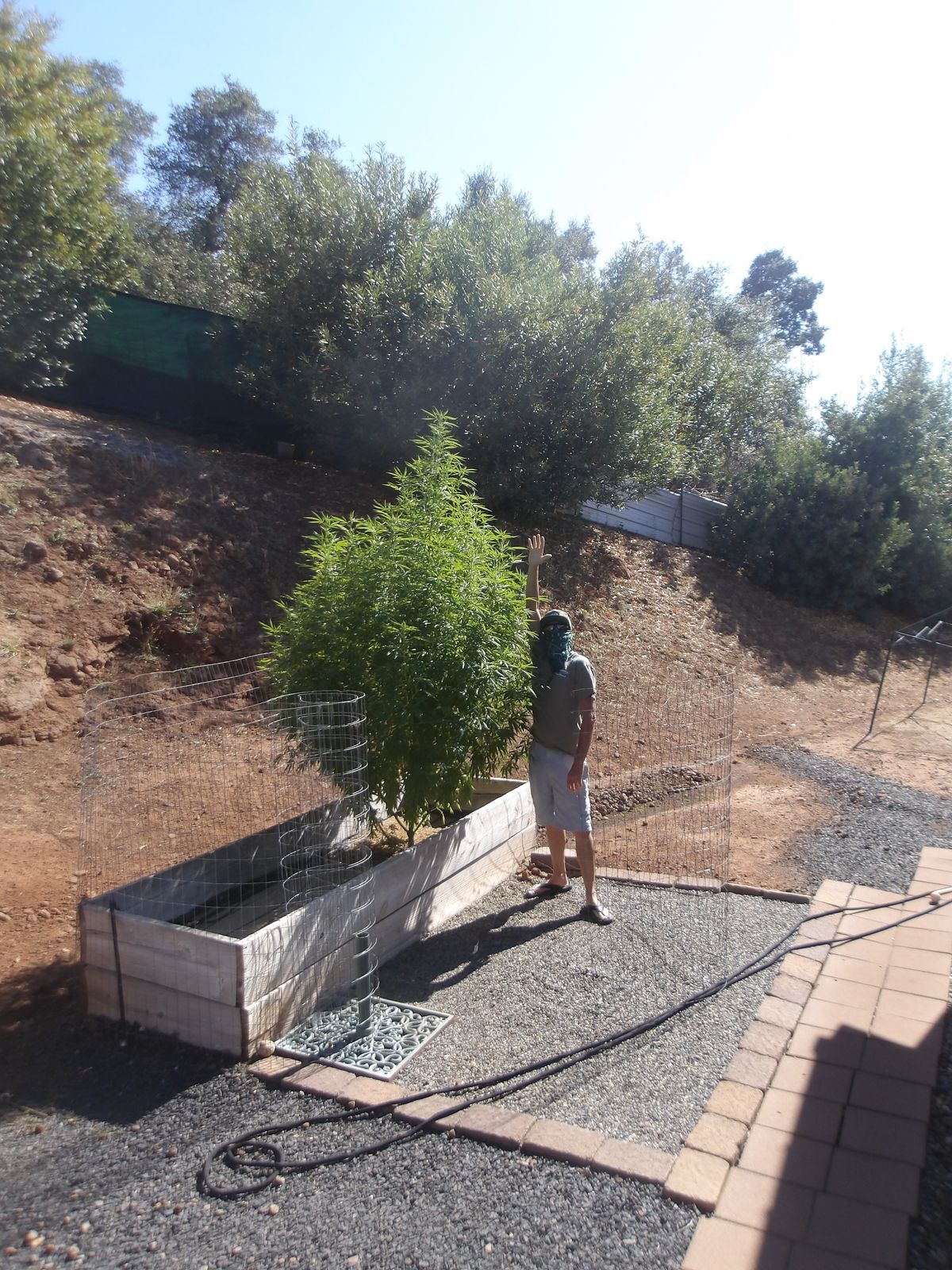
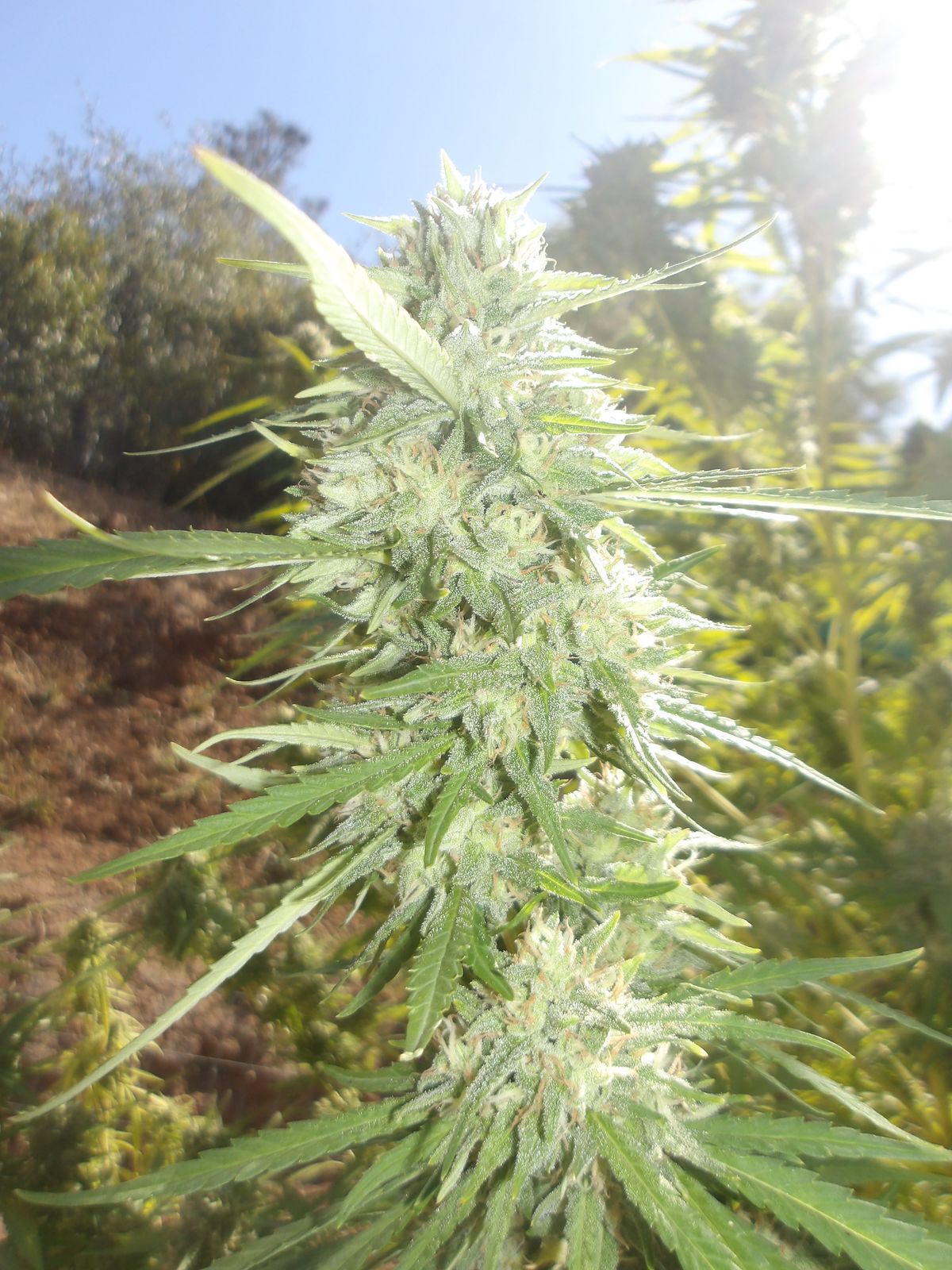
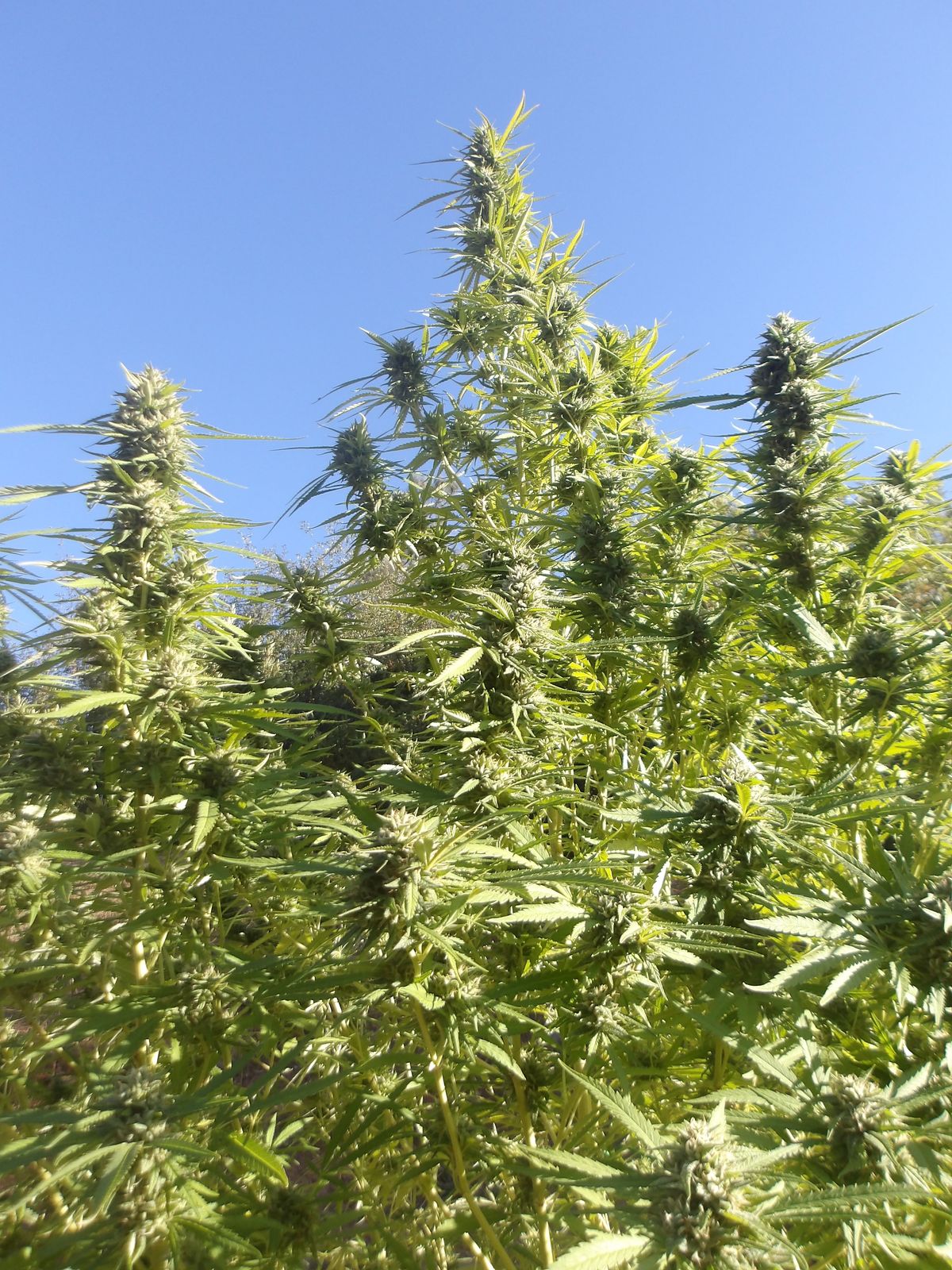

Using Kashi Gold with Craft Blend and BuildAFlower for topdressing is a proven recipe for success if you follow the BuildASoil way! Great product, recommended for living soil systems.

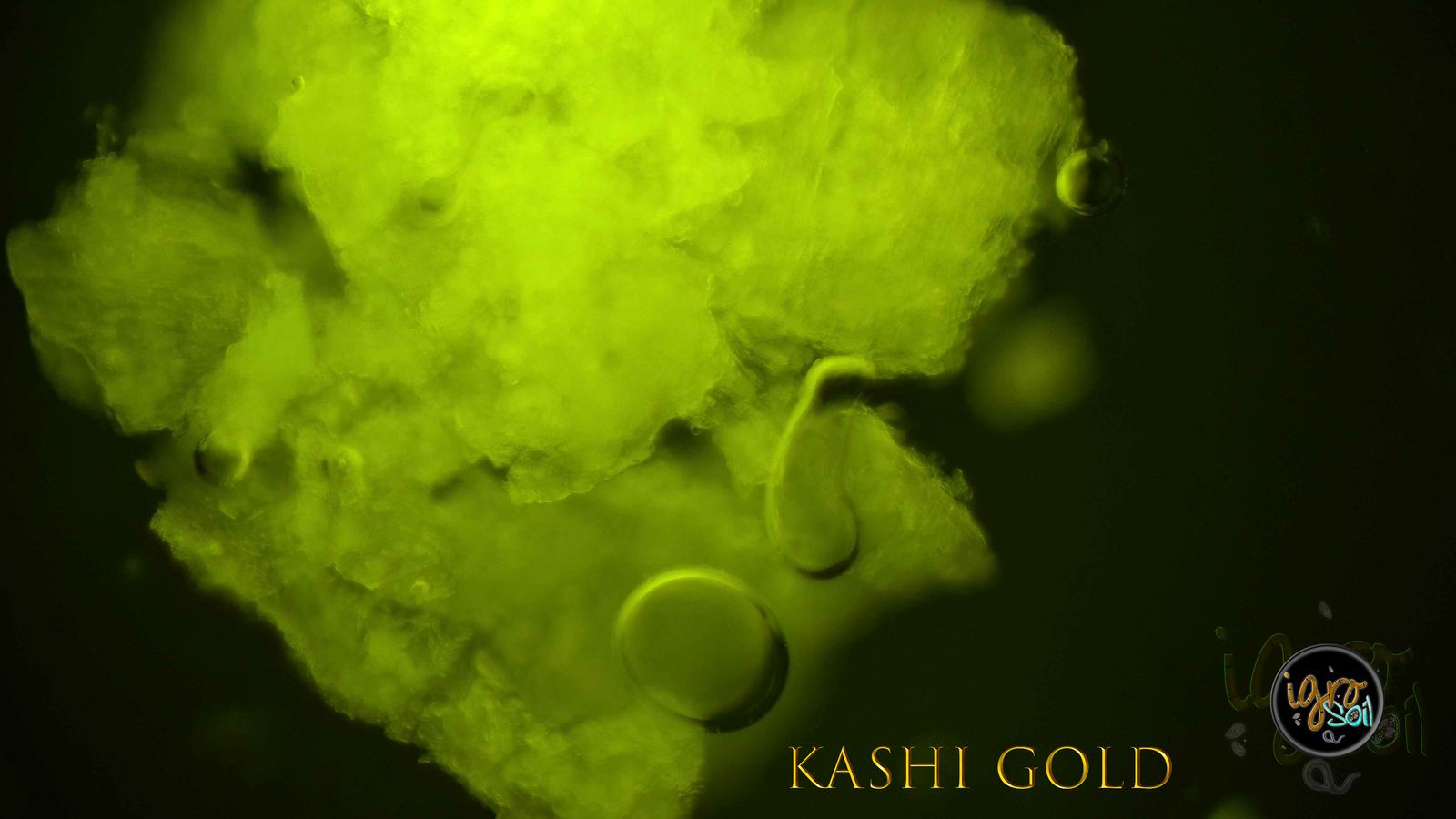
Microscope work on Kashi Gold. Structure looks solid, no junk or fillers in the mix. Dense biology throughout definitely lit. Full video on my YouTube at IGROSOIL

Solid state ferment, made by hand
You already have compost, castings, and dry amendments sitting under your mulch. Whether any of it reaches the plant comes down to the biology working that layer. Kashi Gold is EM-1 fermented onto a rice bran carrier, which means you can put that culture exactly where the food is, in a form that stays put and brings its own meal along with it.
What it does up there
This is not a fertilizer you feed with and it is not a compost starter. It is a live culture on an edible carrier, and when it lands on a moist, covered layer it goes to work in three directions at the same time.
One application, sprinkled on the mulch
Everything below happens in the same layer, in the same week, from the same handful.
It works on the amendments you already put down
The probiotic culture goes after the material sitting in that layer, your mulch, your compost top dress, your dry amendments. That is the whole reason it belongs on the surface instead of tilled in. The food is up there, so the biology goes up there.
The carrier is a meal in its own right
Rice bran is not inert filler holding the culture together. It is a rich food source on its own, high in phosphorus and oil, and it feeds the layer whether or not there is anything else up there for the biology to work on.
Minerals and nutrients arrive already fermented
Basalt rock dust brings a broad mineral profile, and minerals are the cofactors enzymes run on. Black soldier fly frass brings a wide range of nutrients plus a small amount of chitin. Both went through the ferment before they ever reached your bag, so they arrive already worked rather than sitting on the surface waiting their turn.
The other two inputs, sea salt and organic cane molasses, do their work before the bag is sealed. They are there so the fermentation finishes correctly, which is Alan's job, not yours.
Bucket versus bed
That is a good use for it. It is not this use. Bran inoculated for a sealed bucket is formulated to pickle food waste in an airtight container over two weeks. Bokashi for a living bed has a different job, and if you have been buying the bucket kind and sprinkling it on your garden, you have been using a tool slightly off label.
Bucket bokashi
Kashi Gold
What is in it
How to use it
This is a surface product. It works at the mulch and soil interface, so do not till it in and do not bury it. Put it where the moisture and cover are.
| Use | Rate | Frequency |
|---|---|---|
| Top dress, established beds and containers | 2 to 4 tablespoons per square foot, across the mulch layer | Every 1 to 3 weeks |
| New beds, or heavy fresh mulch | Handfuls tossed in as you build the layer | At setup, to get activity started |
| Compost pile boost | Half a cup to 1 cup per cubic foot of compost | As you turn or build the pile |
What a bag actually covers
Kashi Gold weighs about 4.25 ounces per cup, so a 2 pound bag is roughly 7.5 cups, or about 120 tablespoons. At the top dress rate that works out to somewhere between 30 and 60 square feet per application depending on whether you go light or heavy.
In practical terms, one bag gives you two to four full passes over a 4 foot by 4 foot bed.
Store it somewhere animals cannot get to it. This is the single most common thing that goes wrong with Kashi Gold, and it is not a plant problem. Dogs, chickens, and mice will find an open bag and eat the whole thing. Keep it sealed, cool, and dry, which also preserves viability. A solid state ferment stored properly stays good for years.
The rest of it
What you will see
White, fuzzy growth in the mulch a few days after application. Big pillowy clouds usually form under a plastic mulch cover, like the one on an EarthBox. In an open mulch layer of wood chips, straw, or leaves, peel the layer back and you will often find remnants of it underneath.
Why it shows up
Kashi Gold is a lactic ferment, and a lactic ferment stays stable as long as air stays out. In a bokashi bucket, white fuzz forms at the very top, where air hits every time the lid comes off. On your mulch, you are doing that on purpose. Kashi Gold opens a sour ferment full of easy food to air and moisture, and the food brings in the things that eat it. That first wave is the white growth.
What it most likely is
Fungal growth. EM-1 itself is lactic acid bacteria, yeast, and phototrophic bacteria, and none of those grow as fuzzy threads. For a while we told people it was actinomycetes, a group of bacteria that grow in threads and look a lot like fungi. That answer is usually right for hot compost. But molds and actinomycetes both need air, and what separates them here is acid. Actinomycetes do not handle acid well, and fresh Kashi Gold is sour. Molds that handle acid are well documented in silage, a world Alan knows well, since his family was in the silage industry.
Why it always goes away
The pillows are the first step in a cascade, not a state your bed stays in. As that first growth eats, the acid gets used up, the easy food runs out, and other biology moves in: bacteria, springtails and mites that graze on fungi, and eventually worms. Whether you see pillows at all depends on cover, moisture, light, and airflow. They are not a sign your bed is perfect. They are a cool look at the first step.
These are third party certificates of analysis from Spectrum Analytic on the two dry inputs that carry almost all of the nutrition in this product. Both PDFs are linked below so you can read them yourself rather than take our summary for it. They are analyses of what goes in. They are not a guaranteed analysis of the finished ferment, and we are not going to present them as one.
| Analysis | Rice bran | Black soldier fly frass |
|---|---|---|
| Total nitrogen | 2.28 percent | 3.11 percent |
| Available phosphorus as P2O5 | 6.30 percent | 3.41 percent |
| Potassium as K2O | 1.68 percent | 0.94 percent |
| Zinc | 60 mg/kg | 276 mg/kg |
| Copper | 17 mg/kg | 13 mg/kg |
Full heavy metal panel on both inputs
| Element | Rice bran | Black soldier fly frass |
|---|---|---|
| Arsenic | 0.11 mg/kg | 0.01 mg/kg |
| Cadmium | 0.86 mg/kg | 0.46 mg/kg |
| Cobalt | 0.81 mg/kg | 0.69 mg/kg |
| Lead | 4.8 mg/kg | 0.86 mg/kg |
| Mercury | <0.2 mg/kg | <0.2 mg/kg |
| Molybdenum | 2.61 mg/kg | 2.20 mg/kg |
| Nickel | 3.2 mg/kg | 2.4 mg/kg |
| Selenium | 0.14 mg/kg | 0.04 mg/kg |
Analyzed by Spectrum Analytic Inc., Washington Court House, Ohio. Rice bran lab number FF59197, frass lab number FF58678.
There is no NPK on this bag. Rice bran is the large majority of this blend by weight, so you could look at that first column and work out roughly where a finished number would land. We are not going to print that, because a calculated number is not an analysis. More to the point, this is not a fertilizer you feed with. It is a ferment whose job is to work on the material already in your mulch layer, and an NPK on the front of the bag would tell you almost nothing useful about whether it is doing that.
Bokashi itself is old, an anaerobic fermentation practice that predates all of us. What was new was building one specifically for growing plants rather than for processing waste. We met Alan Adkisson years ago through the Probiotic Farmers Alliance, and he was the first person we knew doing exactly that. The business he built with his partner Eddy Lepp became Gro-Kashi, and it set the bar for the category.
Later a former BuildASoil employee named AJ carried that work forward with Kashi Blend at Growing Organic. When that chapter closed, the thing we wanted was the original. Alan rejoined us, and Kashi Gold is what we made together: his process, his hands, refined over years of doing it.
He ferments it, dries it, and finishes it himself, including a sun activation step meant to encourage purple non sulfur bacteria and hold the living character of the batch. You will notice it the second the bag opens. The aroma is sour and fermented, in the way a good pickle crock is sour, and growers who know the smell look for it.
We would like to sell this in bigger bags. Customers ask for it and we have looked at it more than once. The limit is not a marketing decision, it is production. Alan makes this by hand in small batches, we place our orders far ahead of the season, and every time we have run the math on a larger size we have reached the same answer: we would sell through it and then be out of stock for months. A bag smaller than you wanted beats a listing that says sold out.
That is changing slowly. He is buying his own equipment and the process gets tighter every year we do this together. When a bigger bag shows up here it will be because he can actually keep up with it, not because we decided to gamble on your order.
Questions
No. That is the whole point of it. Kashi Gold goes straight onto the mulch layer of a planted bed or container. If you also want to run a kitchen scrap bucket you can, but this was designed for the garden.
It worked. Big pillowy clouds usually form under a plastic mulch cover, like on an EarthBox, where it stays dark, humid, and still. In an open mulch layer you usually will not see clouds on top, but peel the layer back and you will often find remnants underneath. If the surface dried out or sat in bright light, you may never see it.
The white growth is the first step in a cascade, and the rest of it happens whether you see the pillows or not. Do not worry about it too much.
Normal, and it always does. The white pillows are the first wave of biology eating a sour ferment full of easy food. As they eat, the acid gets used up, the easy food runs out, and other organisms take over. The pillows cannot hang on once conditions change. What you saw was the start of the process, and the layer keeps working after the fuzz is gone.
Green, powdery growth on the soil surface is usually Trichoderma, an extremely common soil fungus. Finding it in a moist, planted container is normal. If the layer turns slimy or black, or smells rotten instead of sour, something went off.
We are not going to give you a number we cannot back up. The published bokashi timelines you will find online are about fermented food waste buried in soil, which is a completely different situation from bran on a mulch surface, and nobody has published good data on ours. What we can tell you is the reasoning behind the rate. Two to four tablespoons per square foot is a small amount of readily available carbon, and in a warm, moist, covered layer it gets used. That is why we suggest coming back every 1 to 3 weeks instead of once a month and hoping.
Stick to 2 to 4 tablespoons per square foot and you are fine. Very heavy applications on a thin or dry mulch layer can go sour on the surface rather than cycling cleanly, which mostly means you wasted product. Keep the layer moist and covered and it will work through.
Both, year round, in no till and organic systems. The aroma is noticeable for a day or so after application in a closed tent, so some indoor growers apply right before lights out or right after they run their exhaust.
Yes, applied at the rates above on the mulch surface. Growers regularly report finding more worms in beds they are running this on. Do not dump a concentrated pile of it directly into a worm bin.
Years, if you keep it sealed, cool, and dry. A properly finished solid state fermentation is stable. The realistic threat to your bag is not time, it is your dog.
What runs with it
The standard order is the same whatever soil recipe you are running. Amendments on the soil surface, mulch over the top of them, then Kashi Gold on the mulch.
Not sure what you should be applying and when, run your setup through the BuildASoil feed calculator.