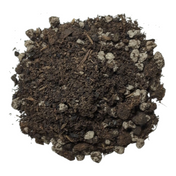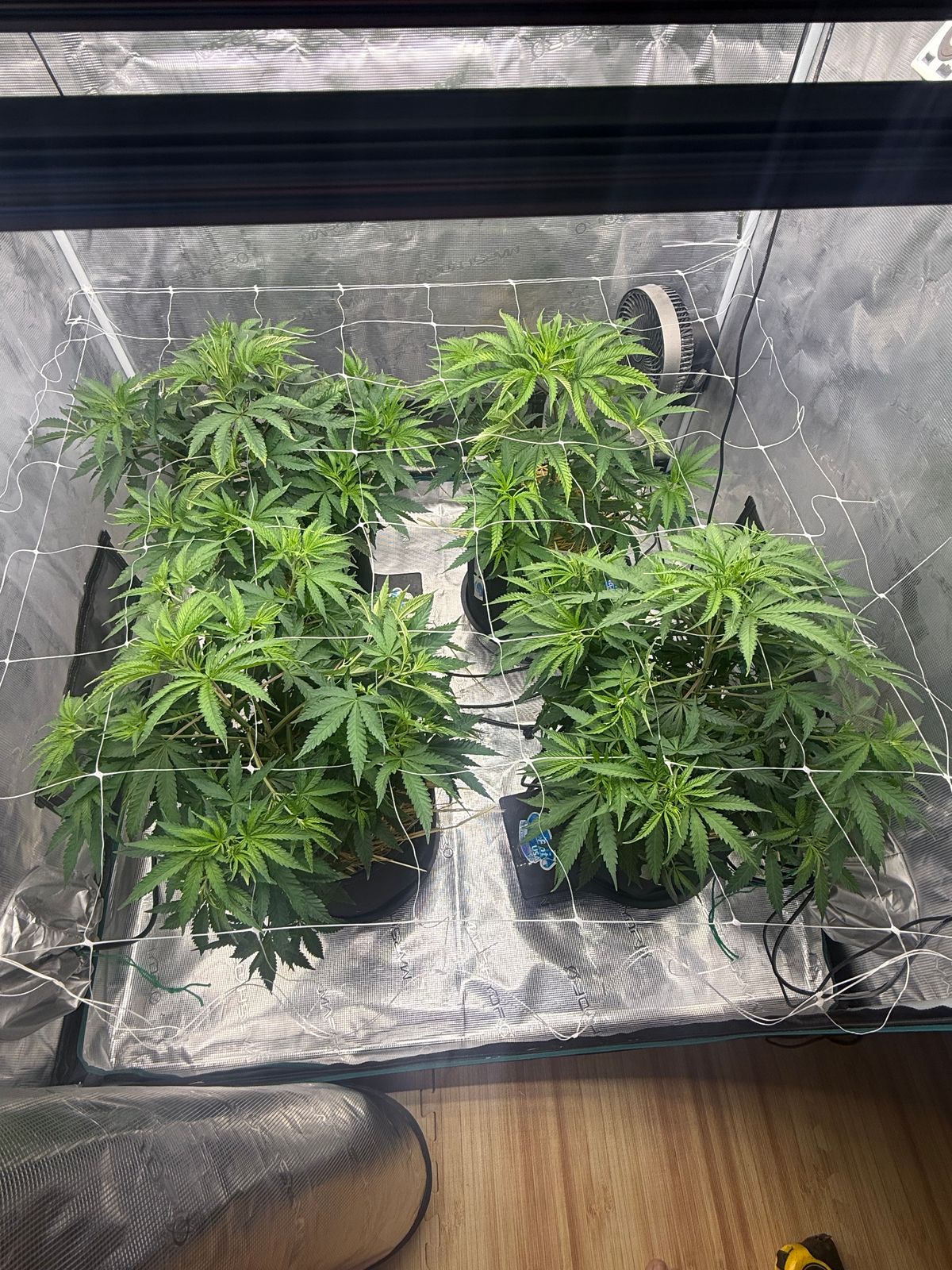
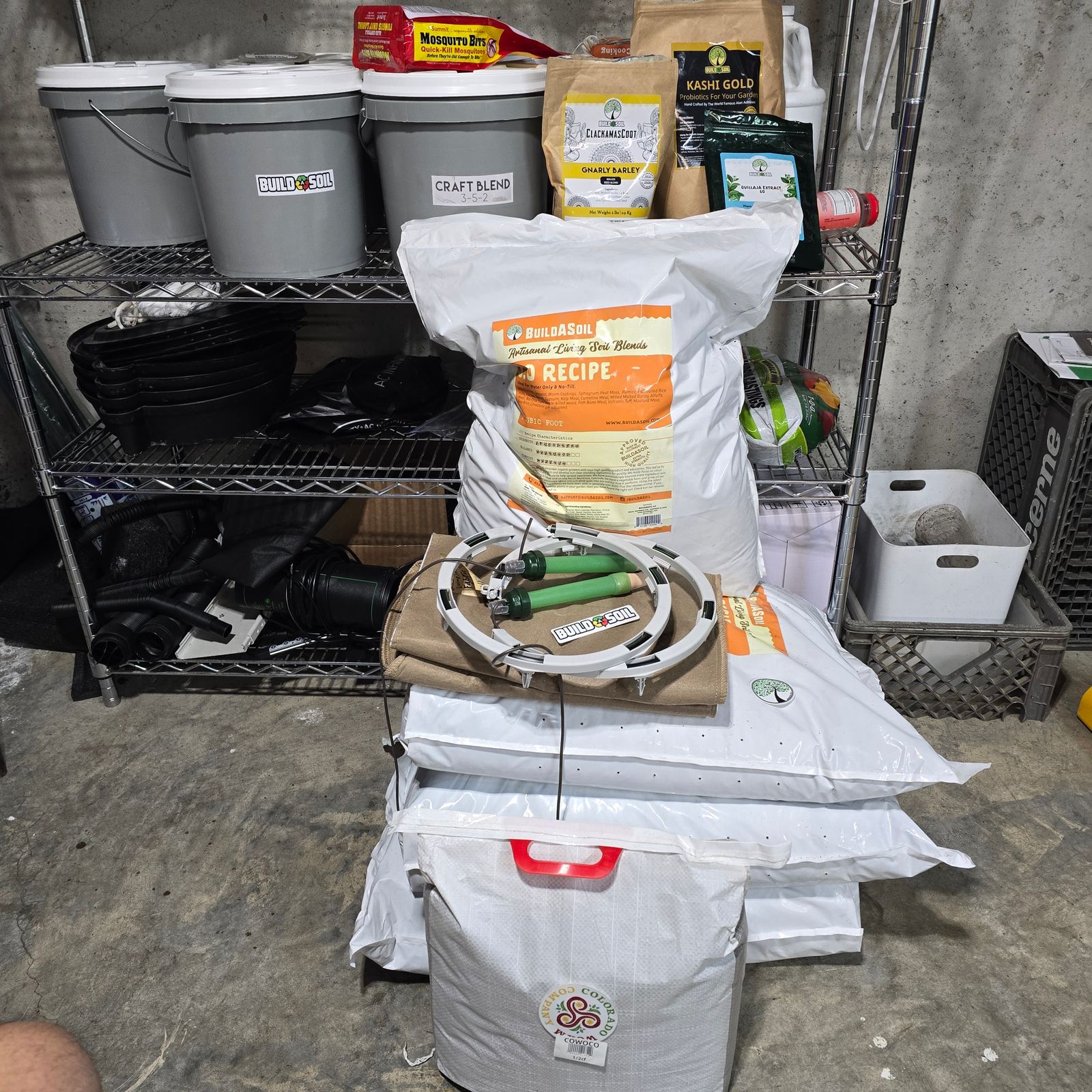
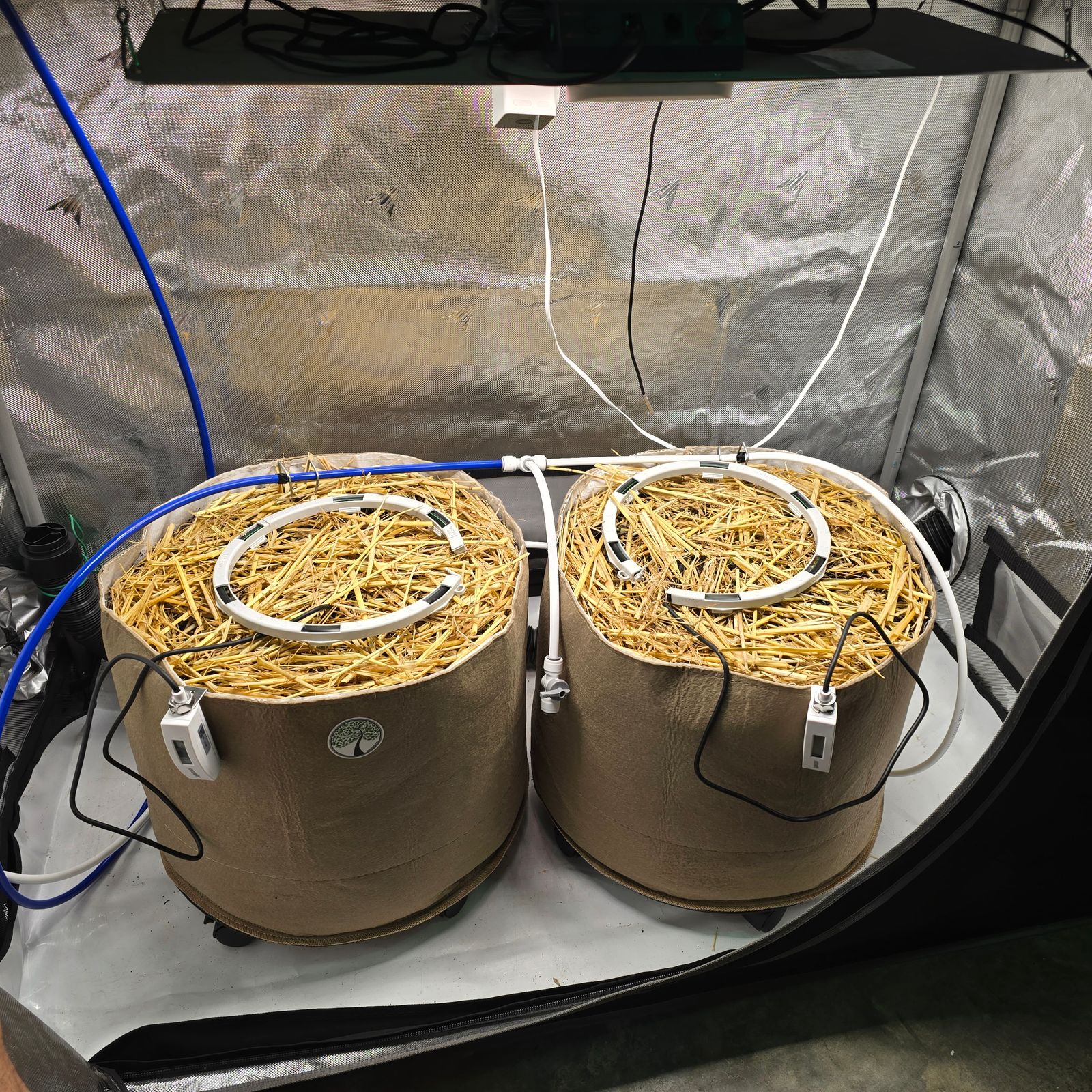
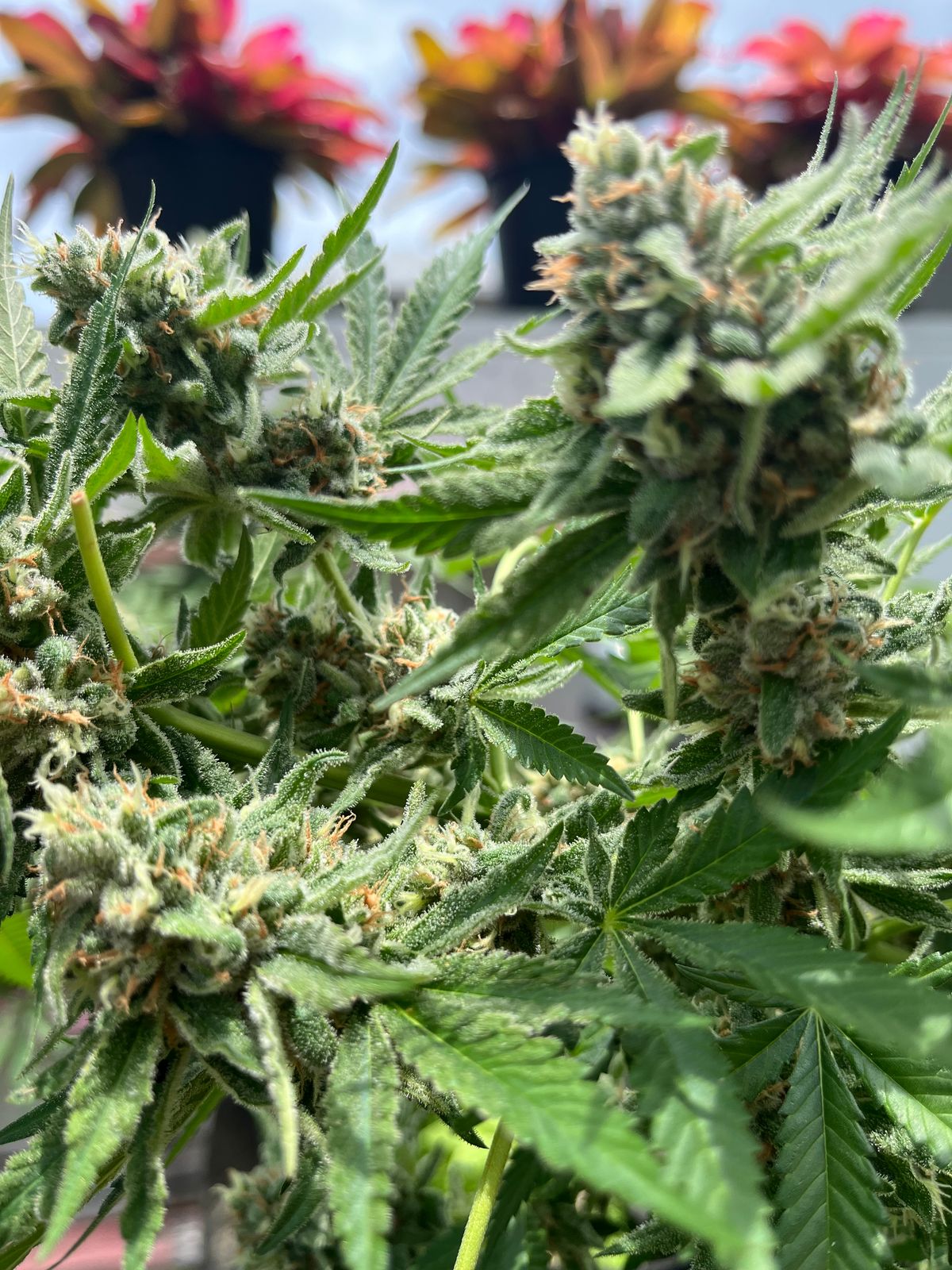
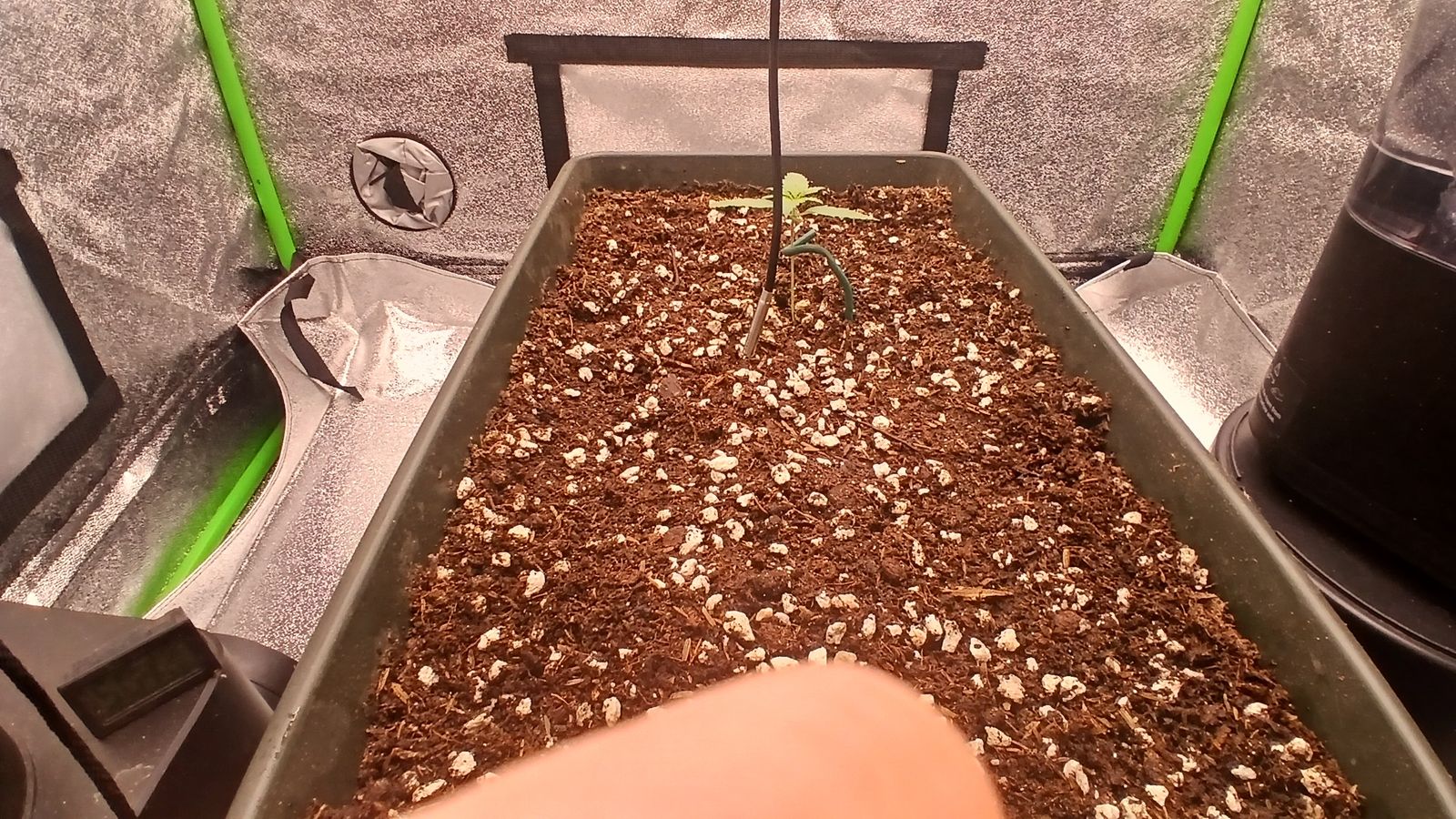
Reviewed by David D.
Verified Buyer
I recommend this product
Gnarley Barley
Worms love it, as much as the plants!
Loading...
Was this helpful?
Free shipping on any 2+ items - Excludes Bulk


Clackamas Coots Official Gnarly Barley - Artisan Sprouted Seed Blend - 2lb Whole is backordered and will ship as soon as it is back in stock.
BuildASoil is committed to sourcing the highest quality ingredients you can trust. over 10,000 Five Star Reviews and over a decade in business
Shipping is expensive, and it gets more expensive almost every year. We are not going to pretend otherwise. What we can tell you is that we work hard to find the most reliable and affordable way to get your order to you, and we pass along free shipping wherever it makes sense.
Free shipping on any order with two or more items. The one exception is bulk items, meaning the large or heavy products that have to move by freight or oversized parcel. If your cart qualifies, free shipping is applied automatically at checkout.
Most stores set free shipping at a dollar threshold. That works when you sell light things like clothing. We don't. We ship soil, amendments, and heavy real goods that are expensive and awkward to move, so a dollar minimum doesn't reflect what shipping actually costs us.
We are a small business with no outside financial backing, and we are not Amazon. We manufacture, pack, and ship everything in house so we can control quality, which means real people picking, boxing, taping, and labeling every order, and that means real jobs. When we ship a single item for free, the only way to cover it is to raise prices across the board, and we would rather not do that. Asking for two or more items on free orders lets us keep prices lower for everyone and keep shipping sustainable. We hate high shipping costs as much as you do, and this is the fairest way we have found to keep them down.
Every product page shows an estimated delivery window based on current fulfillment and carrier schedules, so you know what to expect before you buy.
Free on eligible orders with two or more items. We select the carrier and method.
Standard ground service.
Same standard transit, but we push it out the door the same day when we can.
Prioritized fulfillment with faster transit.
The fastest option we offer.
Bring your order confirmation and a valid ID.
For large or heavy orders.
For large or heavy orders, faster transit.
We ship with FedEx, UPS, and USPS, and we pick the carrier that gets your order to you reliably at the best cost. We cannot guarantee a specific carrier unless you arrange it with us ahead of time.
Orders to PO Boxes often cost more and usually do not qualify for free shipping. Use a physical address to avoid delays and added fees.
We ship to Alaska, Hawaii, Puerto Rico, Guam, the Northern Mariana Islands, and the US Virgin Islands. Free shipping generally does not apply to large or bulky items going to these destinations, though Hawaii and Alaska have more flexibility depending on carrier policy. Rates are quoted at checkout or on request.
We ship select items to Canada. Canadian customers need to choose "UPS Standard Shipping to Canada" at checkout so your order clears customs cleanly and you avoid surprise brokerage fees. Orders placed with other methods can be delayed or rejected at the border.
Some products ship directly from our vendor partners and show their own estimated ship dates on the product page. Questions about these go to support@buildasoil.com.
Freight orders arrive on pallets by box truck or semi. We assume you need liftgate service unless you tell us otherwise.
Inspect every freight shipment before you sign. Count the packages and check for damage. Signing the delivery receipt confirms the order arrived complete and undamaged, so note any problem on the receipt before you sign it.
Full truckload (FTL) orders are custom quoted after checkout based on your location, order volume, and how the truck will be unloaded.
We email tracking as soon as your order ships. If it does not arrive, check buildasoil.aftership.com with your order details, or email support@buildasoil.com.
This optional add-on at checkout covers your shipment against loss, theft, and damage, and we fast-track those claims for replacement or resolution. Even with protection, photos and documentation help us move carrier claims along faster.
Send all claims to support@buildasoil.com. We do not process claims by phone.
Include:
Hold onto the packaging and any damaged items until the claim is resolved, since carriers may require an inspection.
We help with every carrier claim we can. But once an order is in the carrier's hands, we cannot control delays, damage, or misdelivery, and the carrier makes the final call on claims.

Clackamas Coots Official Gnarly Barley - Artisan Sprouted Seed Blend - 2lb Whole is backordered and will ship as soon as it is back in stock.
Gnarly Barley will help you grow the best plants of your life.
The problem: how do you keep nutrients available to fast growing plants in living soil?
The answer: freshly ground Gnarly Barley.
Top dress it. Water it in. Look at your plants the next day.
The thing growers tell us about over and over is the praying response. Leaves lifting, tips reaching up, the whole plant visibly picking up its head, and it shows up fast. Often within a day of the first application. You do not need a meter to see it. You just walk in and it is different.
397 reviews. 4.9 out of 5. 97% would recommend it to a friend.
Sprouting a seed wakes it up. The seed releases enzymes to unlock its own stored energy, and those same enzymes go to work in your soil, helping the biology cycle nutrients faster and keeping them available when your plants are growing hard. It is the same principle artisan bakers have used for centuries. Coot was the one who pointed it at soil.
Gnarly Barley is that idea, finished properly. Specialty food grade malters do the sprouting and drying for us, at a level of control no home setup can match, so you get the enzymatic potential without soaking jars on your counter. Build it into your potting mix from scratch or top dress it through the whole grow cycle.
Coot invented this technique and gave it away for free on a growing forum. We built this blend with him, and a portion of every bag still goes to his family on a handshake. Read that story below.
Three seeds, nothing else. No fillers, no carriers, no anti caking agents.
Straight answer: if you have a grinder, buy whole and grind fresh. It stores better and that is genuinely how this product performs best. If you do not have a grinder or you just want to skip the step, buy milled and use it within the season. We would rather tell you the tradeoff than pretend there is not one.
Grinding is what makes Gnarly Barley work. More surface area means the soil biology gets to it faster. The question is only whether you grind it or we do.
When to start and stop: top dress weekly from veg through week 6 of flower, then stop. For most growers that is about 12 weeks of applications. Top dressing is where most people get the most out of this. Sprinkle it on, water it in, and let the mulch layer and the biology do the rest. Pair it with worm castings to increase results.
Running the numbers and it does not pencil out? Check our bulk pricing, or sprout your own local seeds and save the money. We would rather you grow well than buy from us.
The pairing rule: any time you put material on your soil that has to be broken down before your plants can use it, that is the moment for Gnarly Barley.
None of that material is plant food yet. It is raw stock, and your soil biology has to mineralize it into something roots can actually take up. Gnarly Barley hands that biology a fast, available food source and the enzymes to get moving. Put the material and the fuel down at the same time instead of hoping the timing lines up on its own.
A small amount works as a stimulant to speed up the composting process in a worm bin. Start light and see how your worms respond before adding more.
One cup of milled Gnarly Barley weighs 150 grams. Whole seed comes out the same once you grind it, so these numbers hold no matter which variant you buy.
The easy way to remember it: our schedule runs top dressing from veg through week 6 of flower, which is about 12 weeks for most growers. At 1 tablespoon per plant per week that is 12 tablespoons, or three quarters of a cup, to carry one plant from start to finish. Budget about three quarters of a cup per plant and you will not run short.
Plant counts assume 1 tablespoon weekly across a 12 week application window. Feeding at 2 tablespoons cuts these numbers in half. Potting soil ranges reflect the 1 to 2 cups per cubic foot rate, so the low end is the heavy feeding number. For reference, a 15 gallon container holds roughly 2 cubic feet.
People ask why we do not just bag the seed and let you soak it. Because soaking is not sprouting, and the difference is not subtle.
Researchers tested six cereals for hydrolytic enzyme activity at three stages: dry, steeped for 24 hours, and sprouted for 48 hours and then dried. Soaking barley for a full day did essentially nothing to amylase activity. Sprouting it multiplied that activity roughly sixteen times over.
Protease and lipase activity climbed as well. And critically, the seeds in that study were dried at 50C and stored before testing, which is what malting actually is. The enzymes survive the drying. That is what makes a dry, shelf stable product possible instead of a jar on your counter.
In the same study, sprouted barley finished with more than double the amylase activity of any other cereal tested, including wheat, rice, sorghum, millet, and maize. That is why barley is half of this blend and not a supporting player.
The corn earns its place differently. Sprouted maize came in with the highest lipase activity of the six, and a different enzyme profile than barley. Blending them is not a cost decision. It is a coverage decision.
Malting does not create one enzyme. It wakes up a whole set of them, and they are the same families a healthy soil already runs on.
This is the part that a bag of raw seed cannot give you. The enzymes are the product.
Here is the part almost nobody accounts for. Enzymes are proteins, and heat destroys proteins. How the seed gets dried after sprouting matters as much as the sprouting did.
Most malted barley on the market is brewery malt, kilned hot because brewing wants the color and the flavor that heat develops. Amylase holds up reasonably well through that, which is why brewers still get their conversion. The more heat sensitive enzymes do not. Research on barley malt found that roughly three quarters of the phytase activity present in green malt was lost during kilning.
We do not buy brewery malt. We have this dried at deliberately lower temperature by specialty food malters, specifically so the fragile enzymes survive the trip into your soil. It costs more and it is slower. It is also the entire reason this product is not just bagged feed grain with a story on it.
What that buys you: two separate things. The phosphorus that got unlocked during sprouting is already unlocked, and that holds no matter how the seed is dried. The living enzyme activity that keeps working once the seed hits moisture in your soil is the part a hot kiln would have cooked off. Low temperature drying is how you get both instead of one.
Sources: Milala, M. A. and Addy, E. O. Hydrolytic enzyme levels in malted cereals. Advances in Biochemistry, 2014, 2(5), 76 to 79. Swegle, M., Kramer, K. J. and Muthukrishnan, S. Properties of barley seed chitinases and release of embryo-associated isoforms during early stages of imbibition. Plant Physiology, 1992, 99, 1009 to 1014. Centeno, C. et al. Effect of several germination conditions on total P, phytate P, phytase, and acid phosphatase activities and inositol phosphate esters in rye and barley. Journal of Agricultural and Food Chemistry, 2001, 49, 3208 to 3215. Lee, W. J. Phytic acid content and phytase activity of barley malt. Journal of the American Society of Brewing Chemists, 1990, 48(2), 62 to 65. We publish our sources for the same reason we publish our COAs. Check our work.
Long ago in a land of online growing forums, there became a legend of a man who would be the spark of gardening enlightenment for many of the world's renowned organic growers. The Coot from Clackamas postulated that the enzymes from sprouted seeds could enhance the biological processes in soil, much like they do in artisan bread baking.
He was right. Thousands of growers started sprouting seeds at home and everybody could see the difference. That method became known as SST, sprouted seed tea, and it spread through the organic growing world on word of mouth alone. No company launched it. No patent, no marketing budget, no sales team. One man on a forum gave it away and it became standard practice in living soil growing worldwide.
Then came the next discovery: seeds that are sprouted and then carefully dried hold the most enzymatic potential of all. After years of trials we went looking for the most advanced artisan sprouting and malting operation we could find, and we built this blend with Coot himself. That is Gnarly Barley.
A portion of every bag sold goes to Coot and his family. There is no contract and no royalty agreement. It has been a handshake for over a decade, and it has never needed to be anything else.
Nothing is wrong with your bag. Ground seed cannot sprout, so grind it and this stops happening.
Why grinding matters beyond the sprout. An intact seed coat means your soil biology has to chew through the hull instead of getting the surface area you could have handed it. That seed is releasing its enzymes far slower than it should be. Ten seconds in a bullet blender and you get noticeably more out of the same bag.
Why a malted seed can come up at all. Two different things cause it. Some seeds never sprouted at the malthouse in the first place. Legumes like our lentils can produce what is called hard seed, meaning a seed coat that water cannot penetrate, so the seed sits through the whole steeping process untouched and stays fully viable. Barley hulls vary too, and a thicker hull can slow water uptake enough that a seed here and there comes through under sprouted.
The rest is more interesting. A germinating seed keeps the ability to survive drying for a window early in the process. Dry it inside that window and the embryo lives, and it can start again when it gets wet in your pot. Brewery malt is kilned hot enough to kill the embryo outright. Ours is not, because the same heat that kills the embryo also destroys the enzymes we are paying to protect.
So an occasional volunteer is not a flaw. It is physical evidence that this seed was handled at low temperature. A bag that can never sprout anything is a bag that got cooked. Pull the sprout or leave it, either is fine. And if you would rather never think about it, the milled flour arrives ready to go.
Yes, and it is the difference between this working and this sitting on top of your soil doing very little. Grinding multiplies the surface area the soil biology can get at. Ten seconds in a bullet blender or a coffee grinder is all it takes. If you would rather skip the step entirely, buy the milled flour.
Whole seed is easy. Keep it sealed and dry and out of direct heat and it holds up for a long stretch. Milled flour has far more surface exposed to air, so keep it sealed and cool and work through it rather than parking it for a year.
Yes. It is meant to run alongside everything else, not replace it. It pairs especially well with worm castings, and it is a normal part of the rotation for growers running a full living soil program.
Questions?
We are here to help and our entire staff knows how to grow. Just reach out via chat, email or even phone. We are passionate about growing and want you to succeed.
Payment methods
Your payment information is processed securely. We do not store credit card details nor have access to your credit card information.
Worms love it, as much as the plants!
Plants love it, I’ll buy more when I run out.

Once again, everything you sell is amazing, can’t say enough about the quality and customer service you have, you guys make my job easy, I’m definitely the talk of the town. They ask how did you get your plants so big and healthy, just one answer….. Build A Soil baby
Narley barley made a huge difference

Gnarly Barley will help you grow the best plants of your life.
The problem: how do you keep nutrients available to fast growing plants in living soil?
The answer: freshly ground Gnarly Barley.
Top dress it. Water it in. Look at your plants the next day.
The thing growers tell us about over and over is the praying response. Leaves lifting, tips reaching up, the whole plant visibly picking up its head, and it shows up fast. Often within a day of the first application. You do not need a meter to see it. You just walk in and it is different.
397 reviews. 4.9 out of 5. 97% would recommend it to a friend.
Sprouting a seed wakes it up. The seed releases enzymes to unlock its own stored energy, and those same enzymes go to work in your soil, helping the biology cycle nutrients faster and keeping them available when your plants are growing hard. It is the same principle artisan bakers have used for centuries. Coot was the one who pointed it at soil.
Gnarly Barley is that idea, finished properly. Specialty food grade malters do the sprouting and drying for us, at a level of control no home setup can match, so you get the enzymatic potential without soaking jars on your counter. Build it into your potting mix from scratch or top dress it through the whole grow cycle.
Coot invented this technique and gave it away for free on a growing forum. We built this blend with him, and a portion of every bag still goes to his family on a handshake. Read that story below.
Three seeds, nothing else. No fillers, no carriers, no anti caking agents.
Straight answer: if you have a grinder, buy whole and grind fresh. It stores better and that is genuinely how this product performs best. If you do not have a grinder or you just want to skip the step, buy milled and use it within the season. We would rather tell you the tradeoff than pretend there is not one.
Grinding is what makes Gnarly Barley work. More surface area means the soil biology gets to it faster. The question is only whether you grind it or we do.
When to start and stop: top dress weekly from veg through week 6 of flower, then stop. For most growers that is about 12 weeks of applications. Top dressing is where most people get the most out of this. Sprinkle it on, water it in, and let the mulch layer and the biology do the rest. Pair it with worm castings to increase results.
Running the numbers and it does not pencil out? Check our bulk pricing, or sprout your own local seeds and save the money. We would rather you grow well than buy from us.
The pairing rule: any time you put material on your soil that has to be broken down before your plants can use it, that is the moment for Gnarly Barley.
None of that material is plant food yet. It is raw stock, and your soil biology has to mineralize it into something roots can actually take up. Gnarly Barley hands that biology a fast, available food source and the enzymes to get moving. Put the material and the fuel down at the same time instead of hoping the timing lines up on its own.
A small amount works as a stimulant to speed up the composting process in a worm bin. Start light and see how your worms respond before adding more.
One cup of milled Gnarly Barley weighs 150 grams. Whole seed comes out the same once you grind it, so these numbers hold no matter which variant you buy.
The easy way to remember it: our schedule runs top dressing from veg through week 6 of flower, which is about 12 weeks for most growers. At 1 tablespoon per plant per week that is 12 tablespoons, or three quarters of a cup, to carry one plant from start to finish. Budget about three quarters of a cup per plant and you will not run short.
Plant counts assume 1 tablespoon weekly across a 12 week application window. Feeding at 2 tablespoons cuts these numbers in half. Potting soil ranges reflect the 1 to 2 cups per cubic foot rate, so the low end is the heavy feeding number. For reference, a 15 gallon container holds roughly 2 cubic feet.
People ask why we do not just bag the seed and let you soak it. Because soaking is not sprouting, and the difference is not subtle.
Researchers tested six cereals for hydrolytic enzyme activity at three stages: dry, steeped for 24 hours, and sprouted for 48 hours and then dried. Soaking barley for a full day did essentially nothing to amylase activity. Sprouting it multiplied that activity roughly sixteen times over.
Protease and lipase activity climbed as well. And critically, the seeds in that study were dried at 50C and stored before testing, which is what malting actually is. The enzymes survive the drying. That is what makes a dry, shelf stable product possible instead of a jar on your counter.
In the same study, sprouted barley finished with more than double the amylase activity of any other cereal tested, including wheat, rice, sorghum, millet, and maize. That is why barley is half of this blend and not a supporting player.
The corn earns its place differently. Sprouted maize came in with the highest lipase activity of the six, and a different enzyme profile than barley. Blending them is not a cost decision. It is a coverage decision.
Malting does not create one enzyme. It wakes up a whole set of them, and they are the same families a healthy soil already runs on.
This is the part that a bag of raw seed cannot give you. The enzymes are the product.
Here is the part almost nobody accounts for. Enzymes are proteins, and heat destroys proteins. How the seed gets dried after sprouting matters as much as the sprouting did.
Most malted barley on the market is brewery malt, kilned hot because brewing wants the color and the flavor that heat develops. Amylase holds up reasonably well through that, which is why brewers still get their conversion. The more heat sensitive enzymes do not. Research on barley malt found that roughly three quarters of the phytase activity present in green malt was lost during kilning.
We do not buy brewery malt. We have this dried at deliberately lower temperature by specialty food malters, specifically so the fragile enzymes survive the trip into your soil. It costs more and it is slower. It is also the entire reason this product is not just bagged feed grain with a story on it.
What that buys you: two separate things. The phosphorus that got unlocked during sprouting is already unlocked, and that holds no matter how the seed is dried. The living enzyme activity that keeps working once the seed hits moisture in your soil is the part a hot kiln would have cooked off. Low temperature drying is how you get both instead of one.
Sources: Milala, M. A. and Addy, E. O. Hydrolytic enzyme levels in malted cereals. Advances in Biochemistry, 2014, 2(5), 76 to 79. Swegle, M., Kramer, K. J. and Muthukrishnan, S. Properties of barley seed chitinases and release of embryo-associated isoforms during early stages of imbibition. Plant Physiology, 1992, 99, 1009 to 1014. Centeno, C. et al. Effect of several germination conditions on total P, phytate P, phytase, and acid phosphatase activities and inositol phosphate esters in rye and barley. Journal of Agricultural and Food Chemistry, 2001, 49, 3208 to 3215. Lee, W. J. Phytic acid content and phytase activity of barley malt. Journal of the American Society of Brewing Chemists, 1990, 48(2), 62 to 65. We publish our sources for the same reason we publish our COAs. Check our work.
Long ago in a land of online growing forums, there became a legend of a man who would be the spark of gardening enlightenment for many of the world's renowned organic growers. The Coot from Clackamas postulated that the enzymes from sprouted seeds could enhance the biological processes in soil, much like they do in artisan bread baking.
He was right. Thousands of growers started sprouting seeds at home and everybody could see the difference. That method became known as SST, sprouted seed tea, and it spread through the organic growing world on word of mouth alone. No company launched it. No patent, no marketing budget, no sales team. One man on a forum gave it away and it became standard practice in living soil growing worldwide.
Then came the next discovery: seeds that are sprouted and then carefully dried hold the most enzymatic potential of all. After years of trials we went looking for the most advanced artisan sprouting and malting operation we could find, and we built this blend with Coot himself. That is Gnarly Barley.
A portion of every bag sold goes to Coot and his family. There is no contract and no royalty agreement. It has been a handshake for over a decade, and it has never needed to be anything else.
Nothing is wrong with your bag. Ground seed cannot sprout, so grind it and this stops happening.
Why grinding matters beyond the sprout. An intact seed coat means your soil biology has to chew through the hull instead of getting the surface area you could have handed it. That seed is releasing its enzymes far slower than it should be. Ten seconds in a bullet blender and you get noticeably more out of the same bag.
Why a malted seed can come up at all. Two different things cause it. Some seeds never sprouted at the malthouse in the first place. Legumes like our lentils can produce what is called hard seed, meaning a seed coat that water cannot penetrate, so the seed sits through the whole steeping process untouched and stays fully viable. Barley hulls vary too, and a thicker hull can slow water uptake enough that a seed here and there comes through under sprouted.
The rest is more interesting. A germinating seed keeps the ability to survive drying for a window early in the process. Dry it inside that window and the embryo lives, and it can start again when it gets wet in your pot. Brewery malt is kilned hot enough to kill the embryo outright. Ours is not, because the same heat that kills the embryo also destroys the enzymes we are paying to protect.
So an occasional volunteer is not a flaw. It is physical evidence that this seed was handled at low temperature. A bag that can never sprout anything is a bag that got cooked. Pull the sprout or leave it, either is fine. And if you would rather never think about it, the milled flour arrives ready to go.
Yes, and it is the difference between this working and this sitting on top of your soil doing very little. Grinding multiplies the surface area the soil biology can get at. Ten seconds in a bullet blender or a coffee grinder is all it takes. If you would rather skip the step entirely, buy the milled flour.
Whole seed is easy. Keep it sealed and dry and out of direct heat and it holds up for a long stretch. Milled flour has far more surface exposed to air, so keep it sealed and cool and work through it rather than parking it for a year.
Yes. It is meant to run alongside everything else, not replace it. It pairs especially well with worm castings, and it is a normal part of the rotation for growers running a full living soil program.
Size