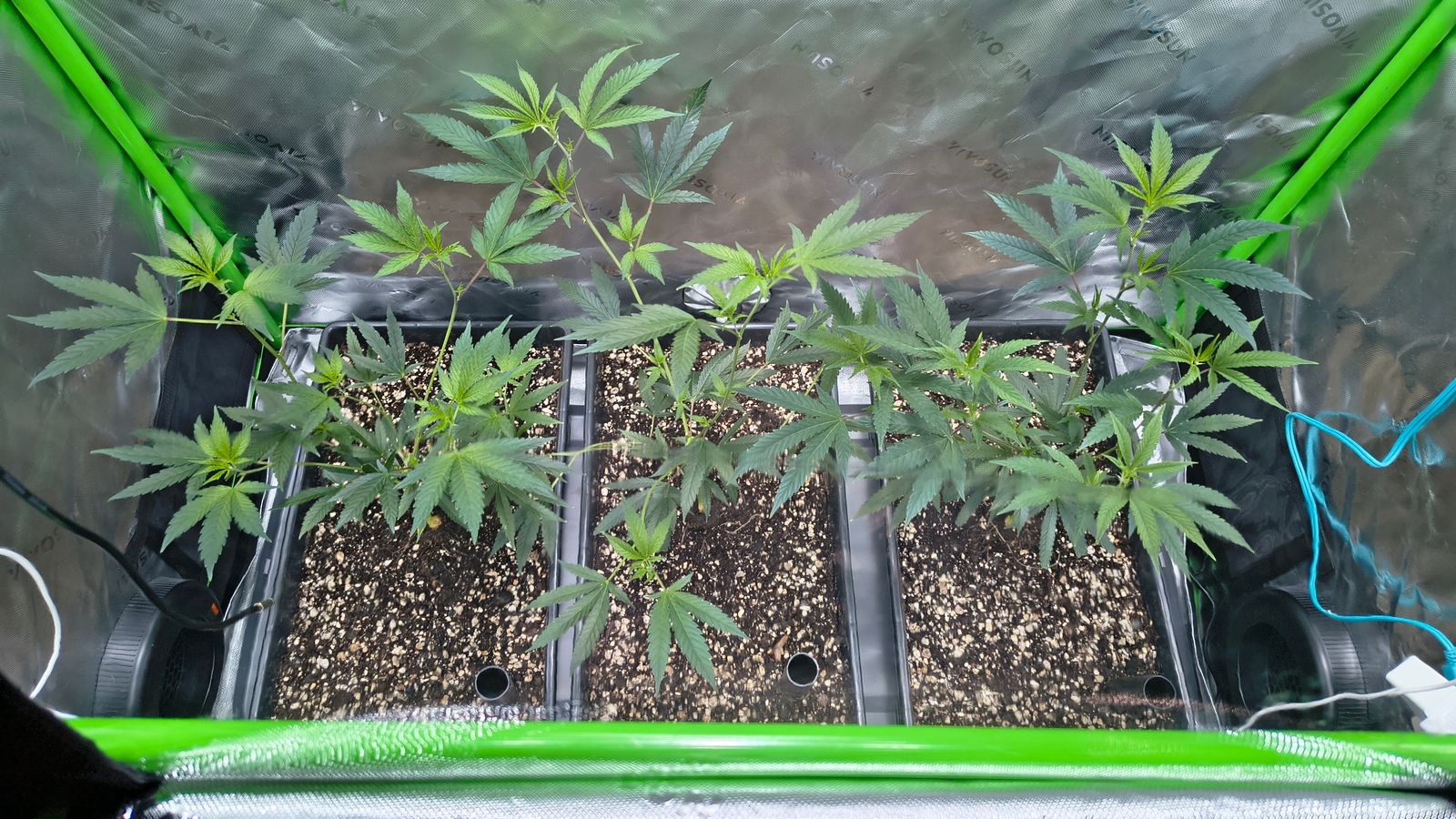
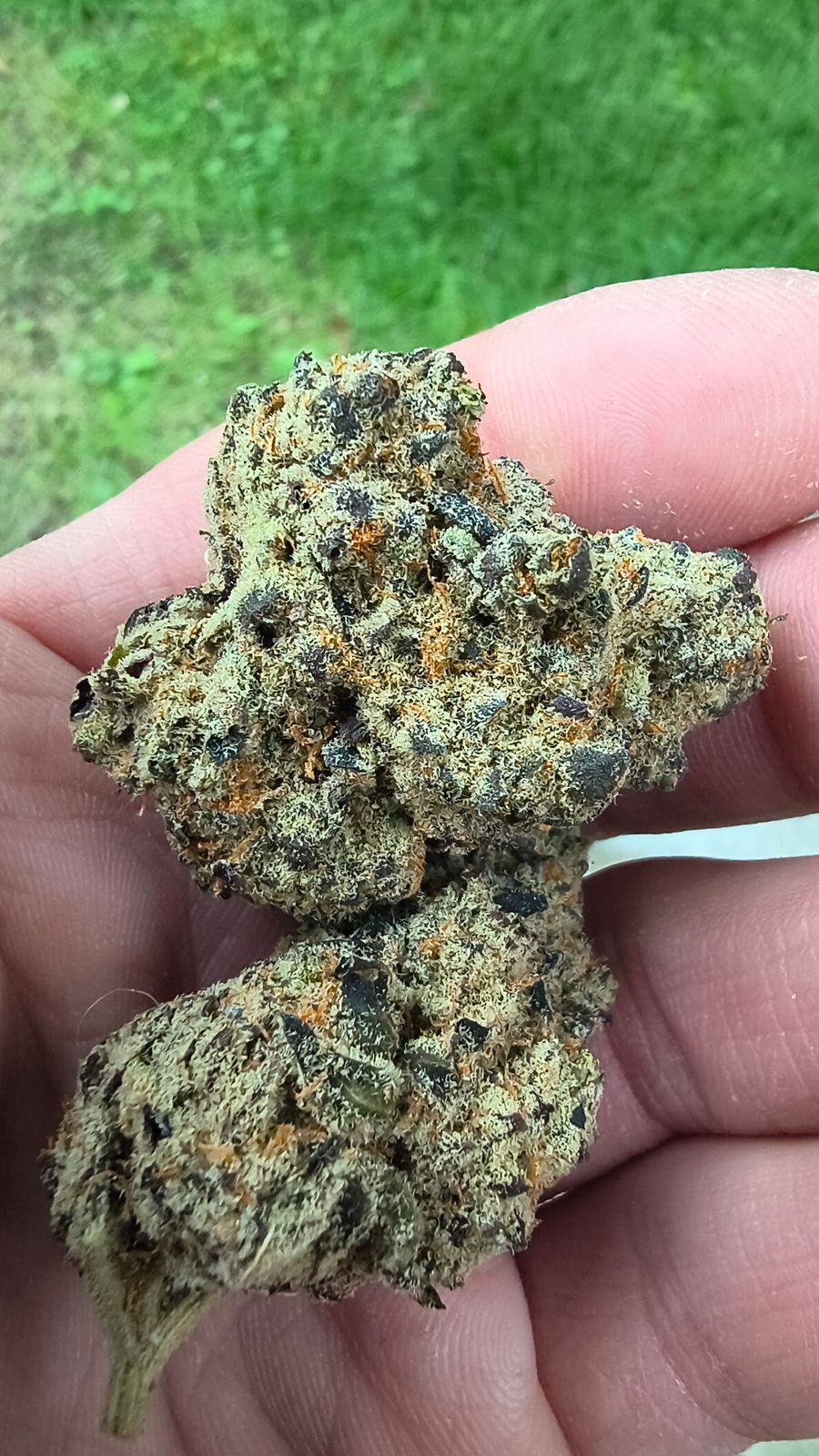
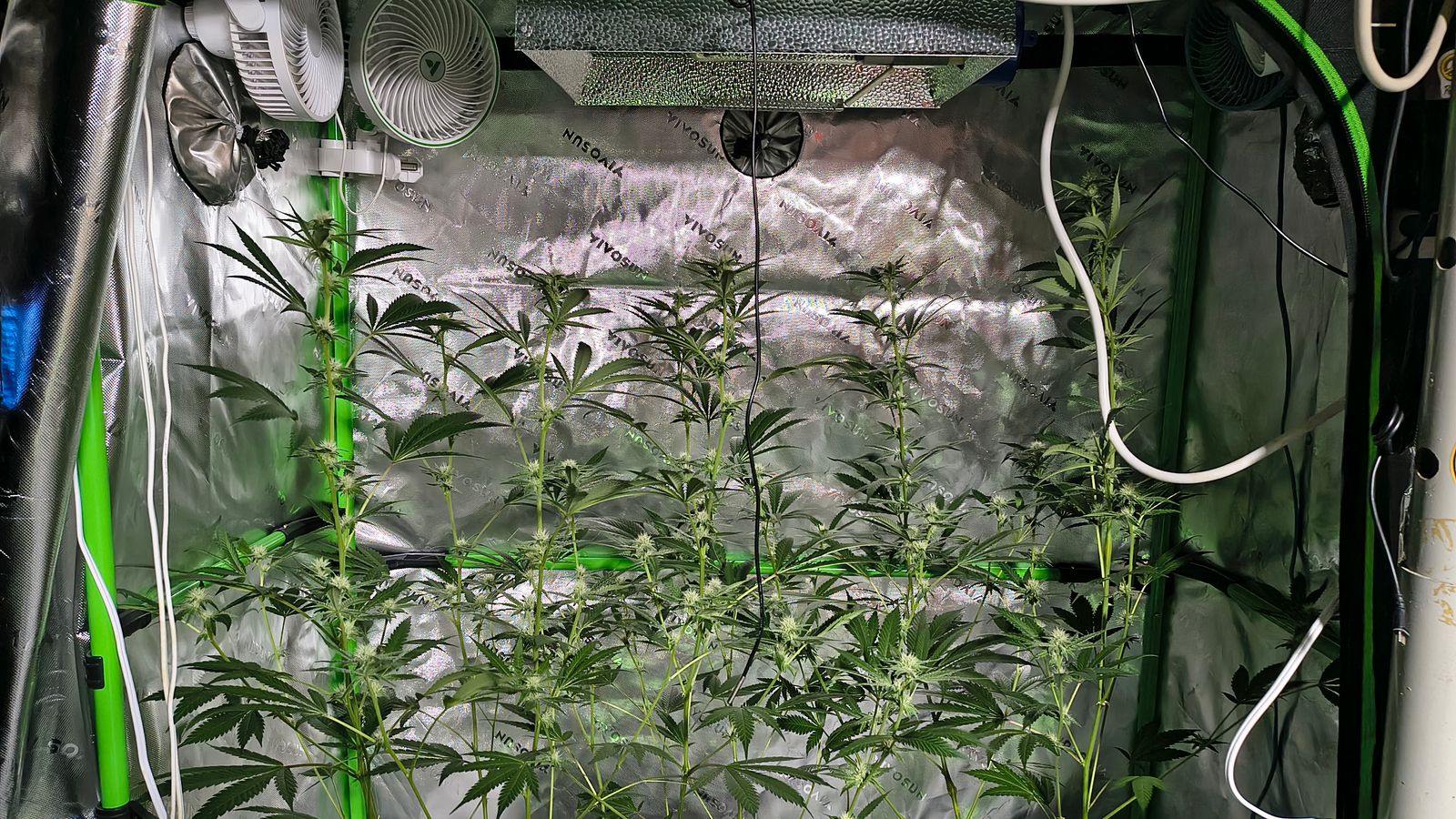
Reviewed by Derek
I recommend this product
5 Stars
Love it
Loading...
Was this helpful?
Free shipping on any 2+ items - Excludes Bulk


BuildASoil Craft Blend - Nutrient Pack - 3 lb is backordered and will ship as soon as it is back in stock.
BuildASoil is committed to sourcing the highest quality ingredients you can trust. over 10,000 Five Star Reviews and over a decade in business
Shipping is expensive, and it gets more expensive almost every year. We are not going to pretend otherwise. What we can tell you is that we work hard to find the most reliable and affordable way to get your order to you, and we pass along free shipping wherever it makes sense.
Free shipping on any order with two or more items. The one exception is bulk items, meaning the large or heavy products that have to move by freight or oversized parcel. If your cart qualifies, free shipping is applied automatically at checkout.
Most stores set free shipping at a dollar threshold. That works when you sell light things like clothing. We don't. We ship soil, amendments, and heavy real goods that are expensive and awkward to move, so a dollar minimum doesn't reflect what shipping actually costs us.
We are a small business with no outside financial backing, and we are not Amazon. We manufacture, pack, and ship everything in house so we can control quality, which means real people picking, boxing, taping, and labeling every order, and that means real jobs. When we ship a single item for free, the only way to cover it is to raise prices across the board, and we would rather not do that. Asking for two or more items on free orders lets us keep prices lower for everyone and keep shipping sustainable. We hate high shipping costs as much as you do, and this is the fairest way we have found to keep them down.
Every product page shows an estimated delivery window based on current fulfillment and carrier schedules, so you know what to expect before you buy.
Free on eligible orders with two or more items. We select the carrier and method.
Standard ground service.
Same standard transit, but we push it out the door the same day when we can.
Prioritized fulfillment with faster transit.
The fastest option we offer.
Bring your order confirmation and a valid ID.
For large or heavy orders.
For large or heavy orders, faster transit.
We ship with FedEx, UPS, and USPS, and we pick the carrier that gets your order to you reliably at the best cost. We cannot guarantee a specific carrier unless you arrange it with us ahead of time.
Orders to PO Boxes often cost more and usually do not qualify for free shipping. Use a physical address to avoid delays and added fees.
We ship to Alaska, Hawaii, Puerto Rico, Guam, the Northern Mariana Islands, and the US Virgin Islands. Free shipping generally does not apply to large or bulky items going to these destinations, though Hawaii and Alaska have more flexibility depending on carrier policy. Rates are quoted at checkout or on request.
We ship select items to Canada. Canadian customers need to choose "UPS Standard Shipping to Canada" at checkout so your order clears customs cleanly and you avoid surprise brokerage fees. Orders placed with other methods can be delayed or rejected at the border.
Some products ship directly from our vendor partners and show their own estimated ship dates on the product page. Questions about these go to support@buildasoil.com.
Freight orders arrive on pallets by box truck or semi. We assume you need liftgate service unless you tell us otherwise.
Inspect every freight shipment before you sign. Count the packages and check for damage. Signing the delivery receipt confirms the order arrived complete and undamaged, so note any problem on the receipt before you sign it.
Full truckload (FTL) orders are custom quoted after checkout based on your location, order volume, and how the truck will be unloaded.
We email tracking as soon as your order ships. If it does not arrive, check buildasoil.aftership.com with your order details, or email support@buildasoil.com.
This optional add-on at checkout covers your shipment against loss, theft, and damage, and we fast-track those claims for replacement or resolution. Even with protection, photos and documentation help us move carrier claims along faster.
Send all claims to support@buildasoil.com. We do not process claims by phone.
Include:
Hold onto the packaging and any damaged items until the claim is resolved, since carriers may require an inspection.
We help with every carrier claim we can. But once an order is in the carrier's hands, we cannot control delays, damage, or misdelivery, and the carrier makes the final call on claims.

BuildASoil Craft Blend - Nutrient Pack - 3 lb is backordered and will ship as soon as it is back in stock.
Made in Montrose, Colorado
Everything your soil needs.
One bag.
No feed schedule.
Craft Blend feeds a living plant through a top dress, builds a soil from scratch, or re-amends one you already have. Sixteen premium amendments doing the work, so the biology in your soil feeds the plant on its schedule instead of yours.
Back when we only sold single ingredients, a friend pointed out that amending against his soil test meant buying fifty pounds of every one of them, and asked why we did not just put it all in one bag. The suggestion took a minute. Getting the blend right took a lot longer. His last name is Craft, and it fit perfectly.
We label it 2-4-2 and it tests closer to 3-5-2, because a guaranteed analysis is a promise and we would rather beat ours than explain one.
Do not take our word for any of this. Over 1,700 growers have reviewed this bag. Go read what they said.
How to use it
Craft Blend is a complete dry amendment, and it is built to be a top dress. That is how we use it and how nearly every customer uses it. The other two rates are there for building a soil from scratch or remixing one you already have.
This is what the product is for. Scratch it into the mulch layer, water it in, and let the biology carry it down through the top six inches. Better still, use the container chart below for the exact amount for your pot or bed. No waiting and no dumping soil, it goes down around plants that are already growing. Good practice is to keep it off the stem itself and spread it out toward the drip line.
Or 50 lbs per cubic yard, when Craft Blend is the only source of nutrients and minerals in a soil you are building yourself. Let this one sit one to two weeks, or until it cools off. Fresh material plus this much amendment will heat up as the biology gets to work.
This rate is only for dumping the container out, mixing the amendment through the whole volume, and starting the round over. Plenty of growers work that way. We do not, because top dressing gets to the same place without moving all that soil.
Field scale? Use at 1/2 ton per acre. Talk to us about bulk pricing and the 1 yard super sack.
One cup weighs about 7 ounces, so roughly two cups to the pound. Bags yield about 6.8 cups (3 lb), 22.8 cups (10 lb), 100 cups (44 lb), and 2,700 cups (1 yard super sack).
Best used alongside castings or compost and your favorite probiotic. Craft Blend brings the minerals and the nutrition. The compost brings the biology that unlocks them.
Pro tip: brewing compost tea? Add 1/4 cup of Craft Blend for every 4 to 5 gallons of brew. It puts more microbes and enzymes in the water, pulled from everything in the bag.
From the comments
Three of the most upvoted comments on our Craft Blend video. Go read the other three hundred while you are there.
"Every company take note, THIS is customer service! The levels of info dropped on this channel make me feel like I should be paying tuition!"
@bervillefreak"I think I speak for everyone when I say we all appreciate your transparency. To you and the team, keep up the good work!"
@ashyknuckles1161"Game changer for me. Craft Blend has simplified my organic grow so much and I can't say how much I appreciate them. I'm a disabled Marine Veteran and I needed a company like this in my life. Cheap and easy to use and they are extremely transparent, which sets my mind at ease."
@HåppýHayronOpen it up
Every ingredient named, the lab work published, and the list of what we refuse to buy. Open whichever one you care about.
No proprietary blend language and nothing hidden behind a trade secret claim. This is also the hardest part of making it: sixteen ingredients means sixteen suppliers, sixteen lead times, and sixteen minimum orders landing at one building in western Colorado. Any one of them showing up late holds the whole run.
Thorvin Icelandic Kelp Meal
Trace mineralsAscophyllum nodosum out of the cold, clean waters off Iceland, geothermally dried rather than sun bleached, which keeps the plant growth compounds and trace mineral profile intact. Supports stress tolerance and root development. We went looking for cleaner kelp and did not find any. Difficulty: Thorvin sells in bulk or not at all, so buying it means committing serious money to one ingredient well before we need it. It is expensive kelp. Cheap kelp is easy to find.
Black Soldier Fly Frass
Nitrogen + chitinInsect castings that feed soil biology hard while carrying real nutrient value and trace minerals. Tests low for heavy metals, which is not something you can say about most cheap nitrogen sources.
Alfalfa Meal
Nitrogen + growth stimulantA classic for a reason. Nitrogen plus triacontanol, a natural growth stimulant, plus enough organic matter to improve structure as it breaks down.
Rice Bran
Phosphorus + microbial foodThe high phosphorus bran in the blend, and one of the best fungal foods you can put in a soil. Rice bran is what growers reach for when they want to wake up biology fast, and it carries its phosphorus on an organic matter base the soil food web will actually work on.
Crustacean Meal
Chitin + calciumThe chitin source. Chitin in the soil feeds the organisms that produce chitinase, which is part of how a healthy soil food web regulates itself. Also brings calcium and slow nitrogen.
Fish Meal
Fast nitrogenHigh organic nitrogen with a full amino acid profile. Available quickly once the soil biology gets on it, which is what keeps this blend from being entirely slow release.
Fish Bone Meal
Phosphorus + calciumWild caught fish bone, not steamed cattle bone. Slow release calcium and phosphorus that stays available through a long flower without spiking. Difficulty: steamed bone meal costs a fraction of this and comes out of confined cattle and pig operations. That price gap is why so many blends use it.
Organic Non-GMO Soybean Meal
NitrogenThis is premium grade soybean meal and the certification is Oregon Tilth certified organic and non-GMO. Standard soybean meal comes off conventional soy, which in the United States is overwhelmingly herbicide tolerant seed grown to be sprayed. Organic certification does not allow that. What you get here is plant based nitrogen with a complete amino acid profile, and one of the best long term nitrogen sources for a no-till bed, from a crop that was not treated with synthetic herbicides. Difficulty: certified organic soybean meal costs several times what the conventional commodity costs.
Organic Malted Barley Flour
EnzymesSprouted, kilned, and milled to a flour by a certified organic food grade sprouter. Barley is the enzyme workhorse, and milling it to flour instead of a coarse crack means it blends evenly and goes to work immediately. Difficulty: enzymes fade with time and heat, so this has to arrive fresh and go straight into the blend.
Organic Malted Corn Flour
EnzymesA different grain sprouts to a different enzyme and amino profile. Corn broadens the range of what the blend can break down instead of doubling up on what barley already does. It is also the one grain in here where the organic certification does real work, since the large majority of corn grown in this country is genetically modified.
Organic Malted Lentil Flour
Enzymes + proteinA sprouted legume rather than a grain, so it brings a protein and nitrogen contribution alongside its enzymes. Together these three are the same milled sprout blend we sell as GnarBar, and Craft Blend gets it at full strength.
K-Mag (Langbeinite)
K + Mg + SA single mined mineral that delivers potassium, magnesium, and sulfur together in a form that works in small amouns. Stem strength, photosynthesis, and terpene and flavor development.
Good Vibes Paramagnetic Basalt Flour
Rock dustMilled to a flour rather than a grit, so the surface area is high enough that the minerals actually weather out on a timeline that matters to your plant. Broad trace element coverage and long term remineralization.
Wollastonite
Silicon + calciumA natural calcium silicate, and the main reason there is plant available silicon in this bag. Silicon goes into cell walls and shows up as stronger stems and better tolerance of heat, drought, and pest pressure. It is also the third of three separate calcium chemistries in this blend. Difficulty: one calcium source is cheaper and simpler. We run three.
Gypsum
Calcium + sulfurCalcium and sulfur for the health and the terps. Improves structure in soil and keeps calcium available so you are not chasing lockout.
Oyster Shell Flour
CalciumCalcium carbonate, the slow and buffering form. That completes the set. This blend carries calcium sulfate from gypsum, calcium silicate from wollastonite, and calcium carbonate here: three minerals, three release curves, and three different partners riding along with the calcium in sulfur, silicon, and carbonate. Most blends carry one calcium source, and it is usually lime, because lime is by far the cheapest way to add calcium. It is also a mined material whose trace metal content varies considerably from deposit to deposit.
Total: 16 ingredients / Mixed on site in Montrose, Colorado
No confined animal farms. That is the rule for this blend, and this is what it rules out. A bag can say organic and still be full of things you would not want near food. "Organic" on a fertilizer label usually means approved for organic use. It almost never means the ingredient came from an organic source.
We wrote the whole disccussion up. Read the Labels is free and it will change how you shop for amendments, including ours.
A guaranteed analysis is a legal promise printed on a bag. We set ours deliberately low, because bags get printed in big runs and organic inputs vary batch to batch, and we never want to be the company explaining why a bag came in under its own label.
So the guarantee is a number every batch clears, and then we show you the actual lab work. Here is a recent batch, tested by Spectrum Analytic, an independent lab in Ohio that we do not own and cannot lean on.
| Nutrient | Label guarantee | Actual result |
|---|---|---|
| Total Nitrogen (N) | 2.00% | 2.99% |
| Available Phosphate (P2O5) | 4.00% | 5.10% |
| Soluble Potash (K2O) | 2.00% | 2.34% |
The label is the floor, not the forecast. Organic inputs move around, so treat 2-4-2 as what you are guaranteed and the lab result as what that batch actually did.
To be clear about what this table is: these are contaminants we test for, not ingredients we put in. Every soil amendment on earth carries trace metals, because they come out of the ground. The only question is how much, and almost nobody publishes the answer.
This is the part nobody publishes. If a blend leans on biosolids, cheap phosphate rock, or rendered livestock, this is the table that gives it away.
Two things before you read it. This is one batch, not a permanent specification. Rock dusts, marine inputs, and mined minerals are natural materials, and their trace metal content moves from lot to lot no matter who is blending them. Anyone quoting you a fixed heavy metal number is quoting you one test. Second, if you are growing under compliance testing, arsenic and cadmium are the two that matter. Those are the ones that cause problems. We source with that in mind, we buy from the cleaner end of every material we can, and we test rather than assume.
| Contaminant | This batch | Allowed limit | Margin |
|---|---|---|---|
| Arsenic | 0.46 | 78 | 170x under |
| Cadmium | 0.40 | 60 | 150x under |
| Lead | < 0.01 | 366 | Below detection |
| Mercury | < 0.2 | 6 | Below detection |
| Selenium | 0.14 | 156 | 1,100x under |
| Cobalt | 0.89 | 816 | 920x under |
| Nickel | 5.2 | 1,500 | 290x under |
| Molybdenum | 2.20 | 252 | 115x under |
| Copper | 20 | Not regulated | Micronutrient |
All figures in mg/kg, which is the same as parts per million. Limits are from AAPFCO SUIP #25, the model heavy metal rule states adopt to decide whether a fertilizer is legally adulterated, calculated at the 6.0 percent P2O5 minimum multiplier the rule requires. Cobalt, molybdenum, nickel, and copper are plant micronutrients, so finding them here is expected and useful rather than a problem. Results are specific to the batch tested. We publish what we find instead of promising a number we cannot guarantee across every lot.
Lab: Spectrum Analytic Inc., Washington Court House, OH. Sample CRAFT 0304, Lab No. FF71627. Sampled 03-12-2026, tested 03-13-2026. Analysis by EPA SW-846 methods 3050B, 6010D, and 7471B.
Getting it right
Rates below are for a full top dress. Start at these numbers, watch the plant, and adjust from there.
| Container | Cups | Ounces |
|---|---|---|
| 10 gallon | 0.75 | 5.25 |
| 15 gallon | 1.00 | 7.00 |
| 20 gallon | 1.25 | 8.75 |
| 30 gallon | 1.50 | 10.5 |
| 45 gallon | 2.00 | 14.0 |
| 65 gallon | 2.75 | 19.25 |
| 100 gallon | 4.00 | 28.0 |
| 150 gallon | 5.50 | 38.5 |
| 200 gallon | 6.75 | 47.25 |
| Hobby Bed | 1.25 | 8.75 |
| EarthBox | 1.25 | 8.75 |
| Tray2Grow | 1.75 | 12.25 |
| 2x4 bed | 4.00 | 28.0 |
| 3x3 bed | 4.50 | 31.5 |
| 4x4 bed | 8.00 | 56.0 |
| 4x8 bed | 16.00 | 112 |
Not sure how much soil you are working with? Run the soil volume calculator, then come back and dose off the cubic feet.
Use at 1/2 ton per acre. Contact us for bulk pricing at that volume, and ask about the 1 yard super sack rather than buying bags.
Washington state growers: do not apply more than 5,000 lbs per acre per year.
The way we actually run it
Craft Blend is dry amendments, and dry amendments do nothing on their own. Something has to break them down first. That is why the standard top dress is both products together.
You are not stacking two fertilizers. You are putting down the food, and then putting down the thing that eats it.
BuildAFlower goes down by coverage rather than by the cup, so its rates live on its own page. Craft Blend rates are above and do not change either way.
It helps, but be realistic about it. Craft Blend is designed for living soil, and living soil is what makes it work: biology breaks the amendments down and hands the nutrition to the plant over time. Straight coco coir does not have that biology to start with.
In coco, add compost or worm castings along with it so there is something alive in there to do the work. It will contribute real nutrition and minerals. It probably will not be enough on its own to let you stop feeding entirely.
If your goal is to get off a bottled schedule, the honest answer is to move toward a living soil rather than trying to make coco behave like one.
Craft Blend is not vegan. It contains fish bone meal, fish meal, crustacean meal, oyster shell flour and insect frass. We would rather say that plainly than let anyone find out later.
On oyster shell specifically: Some vegans do include bivalves on the grounds that they lack a centralized nervous system, and oyster shell flour is the shell rather than the flesh, a byproduct of the seafood trade. That is a line you get to draw, not us.
If you want to build something close to this without the animal inputs, here is how the pieces map:
You will not land in exactly the same place, particularly on the chitin, but you will get a genuinely good vegan blend out of it.
It began as equal parts of every single ingredient. Then we tripled the fish bone meal to bring the phosphorus up. That is the whole origin of the recipe.
If you want to build it at home, you can get very close with equal parts of everything and triple the fish bone meal. We would rather tell you that than pretend there is a secret in here. The hard part was never the perfect ratio. It is sourcing sixteen ingredients this clean and getting them to one building.
Craft Blend is the balanced all-arounder. Here is when to reach for it and when not to.
Used soil that needs a full reset, a no-till bed between runs, or any plant that needs a complete balanced feed. This is the default.
When you want to lean nitrogen heavy through veg or drive a hard flower. Stage specific boosters layered on top of a Craft Blend base. BuildAVeg and BuildABloom.
If you need actual soil and not an amendment, start with 3.0. It already has Craft Blend logic built in, and you re-amend it with this later.
Questions we actually get
Because the label is a guarantee and we intend to keep it. Bags get printed in large runs and organic inputs vary from batch to batch, so a label set at the average is a label you will eventually fall short of. We set ours at a number every batch clears, then publish the actual lab results so you can see the real numbers.
No. Craft Blend is a complete amendment for the whole grow, not a flowering booster. Put it down at transplant and again at flowering, and every two to four weeks in between if you are top dressing. Same bag the entire time.
The 2-4-2 throws people because the middle number is the biggest. That is a guaranteed analysis, which is a legal floor printed on a bag, not a feeding strategy. Living soil does not work like a bottled schedule where you swap products at flip. You feed the soil a complete diet and the plant draws what it needs when it needs it.
Phosphorus is not a flowering-only nutrient either. Roots run on it from the first week.
It is far more forgiving than a salt fertilizer because almost nothing in it is immediately plant available. The soil biology has to process it first, which means the release follows the plant's demand instead of your calendar. That said, more is not better. Stay in the stated range, especially with young plants and small containers.
It depends which rate you are using, and for the one nearly everyone uses, no.
Top dressing: no wait. Scratch it into the mulch layer around plants that are already growing and carry on. It is safe and forgiving because almost nothing in it is immediately plant available. The biology has to break it down first, so it releases on the plant's schedule instead of arriving all at once at the roots.
Mixing a new soil from scratch: give it one to two weeks, or until the temperature comes back down. At 4 cups per cubic foot going into fresh material, the pile heats up as biology works through all that carbon and nitrogen. Let it cool before you plant into it.
What we do care about is mulch, and we care about it on day one. Set the mulch layer as soon as the amendment goes down. It keeps the surface moist and biologically active from the start, which is how you avoid ever getting behind.
Open the bag and you will smell it, but it is not strong. It smells like the land and the ocean, which is exactly what is in there: alfalfa, milled grain and bran on one side, kelp, crustacean and fish bone on the other.
If you are smelling it after it goes down, it is usually sitting too exposed on top of the mulch. Work it into the soil, or cover it with a compost layer like BuildAFlower. That will not eliminate the odor, but it turns the volume way down, and indoors that is normally all you need.
If it ever goes sour or foul rather than earthy, that is not the amendment. The soil is too wet and not getting air.
It is food for soil, not a pesticide, but dogs are drawn to the fish and crustacean meal and will dig for it. Work it into the soil rather than leaving it sitting on the surface, and cover with mulch.
Stored sealed, cool, and dry it holds for a long time. Moisture is the enemy, not time. If it gets damp it will clump and start composting in the bag. Keep it off a concrete floor and out of the sun.
All of it. Vegetables, fruit trees, ornamentals, houseplants, indoor containers, raised beds. Scale the rate to the container size using the table above. Houseplants get the low end.
Rough math: one 4x4 bed takes about 8 cups for a full re-amend, so a 10 lb bag covers roughly three of those. If you are running more than a couple of beds or containers, the 44 lb bag is a significantly better price per cup and it stores fine. Commercial growers should look at the 1 yard super sack or talk to us about wholesale.
Fish are killed and processed, and we are not going to pretend otherwise. The line we draw is not about whether an animal died. It is about what rides along with the material and which industry it funds.
Blood meal, steamed bone meal, feather meal, and chicken manure come out of confined animal farms. Those animals eat conventional feed crops, and whatever was in that feed, or was administered to the animal, concentrates into the byproduct. Buying those amendments means importing that entire upstream supply chain into your soil.
Our fish bone is wild caught, and it is a byproduct of fish already processed for human food. Nobody is catching fish to make this. Commercial fishing has real problems of its own and we are not going to wave them away, but between funding a feedlot fed on herbicide-treated grain and using the bone left after the fillets came off, we made a call. We would rather tell you plainly what the call was than quietly leave the ingredient off the list.
Yes, and it will again any time we find something better. The current formula has been running for a while now and it is the cleanest version we have made. The most recent revisions: malted barley became three malted grains milled to flour, camelina meal came out because the press cake was too coarse to meter accurately into a blend, and our old volcanic tuff was replaced with paramagnetic basalt flour and wollastonite when that material stopped being available. The label also moved to a more conservative guarantee so it holds on every batch.
We have never revised this blend to cut cost. Every change has gone the other direction.
We test our soil and publish the results. We are not asking you to take our word for the ingredient list. See the batch soil test results, or watch us actually make this stuff on YouTube.
Would rather watch than read? We walked through this whole blend on video: BuildASoil Highlight: Craft Blend, High Quality Soil Amendment. It was recorded before our most recent formula update, so a couple of ingredients have changed since, but everything in it still holds.
Questions before you order? Our whole staff grows. Chat, email, or call. We would rather talk you into the right product than sell you the wrong one.
Questions?
We are here to help and our entire staff knows how to grow. Just reach out via chat, email or even phone. We are passionate about growing and want you to succeed.
Payment methods
Your payment information is processed securely. We do not store credit card details nor have access to your credit card information.
Love it

This is one product that I will never not have on hand
Absolutely a staple for all organic gardens.
I mixed a quarter cup of craft blend two tablespoons of Kashi and 5 cups of build a flower. Every two weeks in my earthboxes
All the bells and whistles with BAS love. The product keeps things green and healthy. Follow the simple steps and you're on your way to happy living soil. This has been a true blessing to our garden efforts. If your new to growing start here. I mean you want a green thumb right! Thank you to the owner for doing this for all of us.
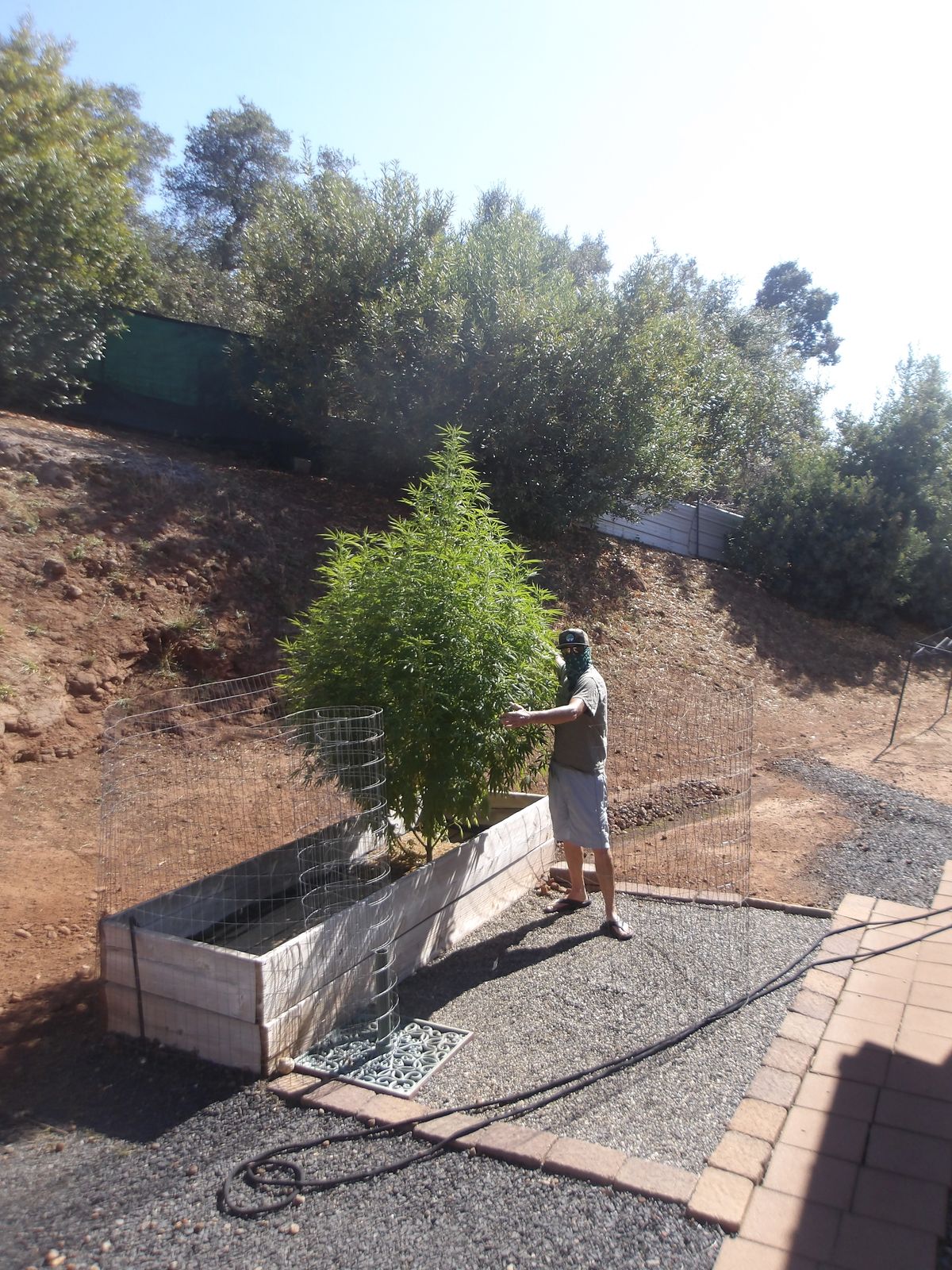


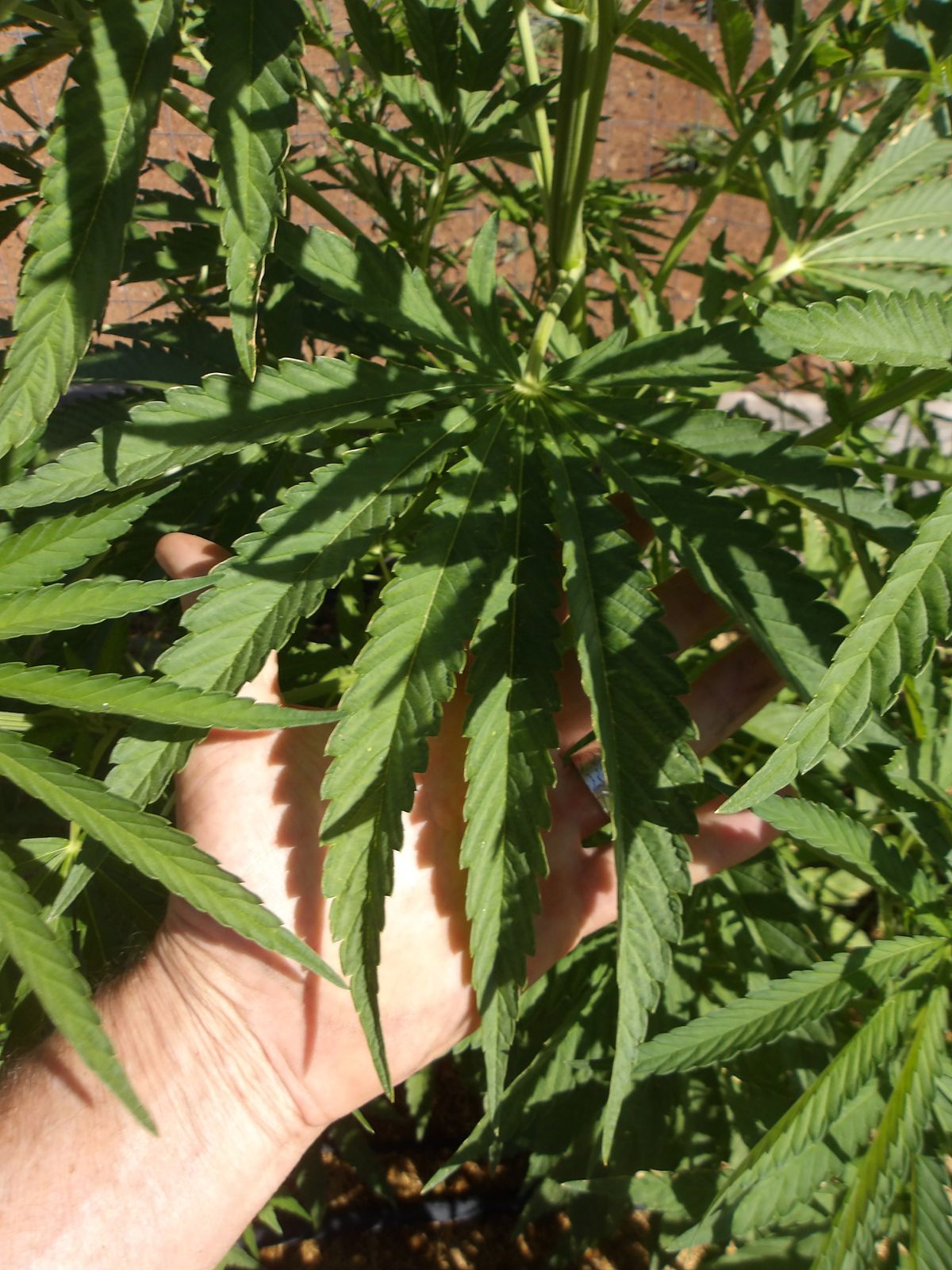

Excellent, has saved me in my garden, while I’m in the road for work weeks at a time. I started with an auto pot system using crop salt and could never be home enough to properly use nutrients. Using living soil and top dressing with craft blend has made the process stress free and the taste of my flowers better. Must have!!!
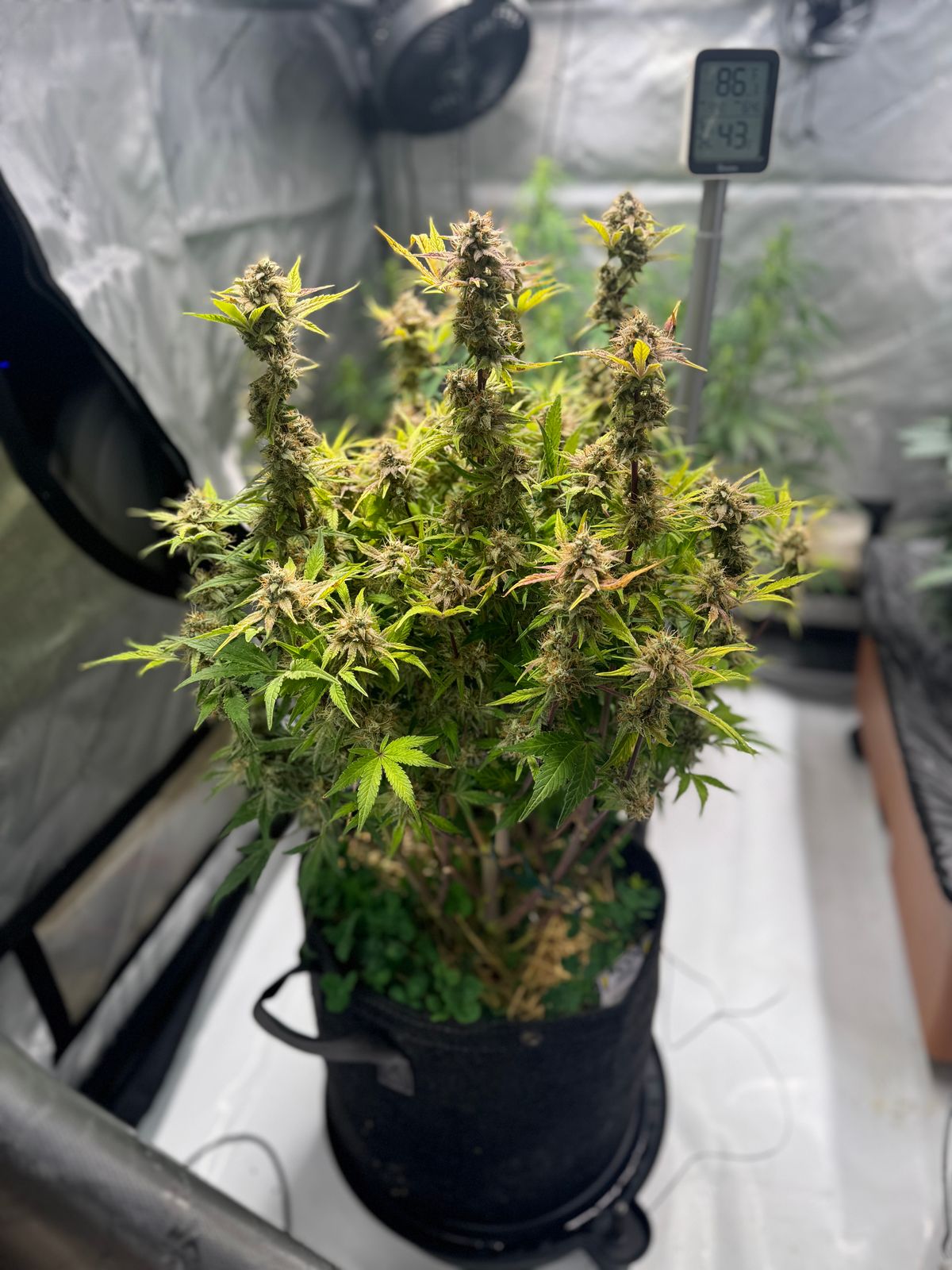
Combined these with the top dress kit of castings/compost and it's helping my plants finish just nicely!

Made in Montrose, Colorado
Everything your soil needs.
One bag.
No feed schedule.
Craft Blend feeds a living plant through a top dress, builds a soil from scratch, or re-amends one you already have. Sixteen premium amendments doing the work, so the biology in your soil feeds the plant on its schedule instead of yours.
Back when we only sold single ingredients, a friend pointed out that amending against his soil test meant buying fifty pounds of every one of them, and asked why we did not just put it all in one bag. The suggestion took a minute. Getting the blend right took a lot longer. His last name is Craft, and it fit perfectly.
We label it 2-4-2 and it tests closer to 3-5-2, because a guaranteed analysis is a promise and we would rather beat ours than explain one.
Do not take our word for any of this. Over 1,700 growers have reviewed this bag. Go read what they said.
How to use it
Craft Blend is a complete dry amendment, and it is built to be a top dress. That is how we use it and how nearly every customer uses it. The other two rates are there for building a soil from scratch or remixing one you already have.
This is what the product is for. Scratch it into the mulch layer, water it in, and let the biology carry it down through the top six inches. Better still, use the container chart below for the exact amount for your pot or bed. No waiting and no dumping soil, it goes down around plants that are already growing. Good practice is to keep it off the stem itself and spread it out toward the drip line.
Or 50 lbs per cubic yard, when Craft Blend is the only source of nutrients and minerals in a soil you are building yourself. Let this one sit one to two weeks, or until it cools off. Fresh material plus this much amendment will heat up as the biology gets to work.
This rate is only for dumping the container out, mixing the amendment through the whole volume, and starting the round over. Plenty of growers work that way. We do not, because top dressing gets to the same place without moving all that soil.
Field scale? Use at 1/2 ton per acre. Talk to us about bulk pricing and the 1 yard super sack.
One cup weighs about 7 ounces, so roughly two cups to the pound. Bags yield about 6.8 cups (3 lb), 22.8 cups (10 lb), 100 cups (44 lb), and 2,700 cups (1 yard super sack).
Best used alongside castings or compost and your favorite probiotic. Craft Blend brings the minerals and the nutrition. The compost brings the biology that unlocks them.
Pro tip: brewing compost tea? Add 1/4 cup of Craft Blend for every 4 to 5 gallons of brew. It puts more microbes and enzymes in the water, pulled from everything in the bag.
From the comments
Three of the most upvoted comments on our Craft Blend video. Go read the other three hundred while you are there.
"Every company take note, THIS is customer service! The levels of info dropped on this channel make me feel like I should be paying tuition!"
@bervillefreak"I think I speak for everyone when I say we all appreciate your transparency. To you and the team, keep up the good work!"
@ashyknuckles1161"Game changer for me. Craft Blend has simplified my organic grow so much and I can't say how much I appreciate them. I'm a disabled Marine Veteran and I needed a company like this in my life. Cheap and easy to use and they are extremely transparent, which sets my mind at ease."
@HåppýHayronOpen it up
Every ingredient named, the lab work published, and the list of what we refuse to buy. Open whichever one you care about.
No proprietary blend language and nothing hidden behind a trade secret claim. This is also the hardest part of making it: sixteen ingredients means sixteen suppliers, sixteen lead times, and sixteen minimum orders landing at one building in western Colorado. Any one of them showing up late holds the whole run.
Thorvin Icelandic Kelp Meal
Trace mineralsAscophyllum nodosum out of the cold, clean waters off Iceland, geothermally dried rather than sun bleached, which keeps the plant growth compounds and trace mineral profile intact. Supports stress tolerance and root development. We went looking for cleaner kelp and did not find any. Difficulty: Thorvin sells in bulk or not at all, so buying it means committing serious money to one ingredient well before we need it. It is expensive kelp. Cheap kelp is easy to find.
Black Soldier Fly Frass
Nitrogen + chitinInsect castings that feed soil biology hard while carrying real nutrient value and trace minerals. Tests low for heavy metals, which is not something you can say about most cheap nitrogen sources.
Alfalfa Meal
Nitrogen + growth stimulantA classic for a reason. Nitrogen plus triacontanol, a natural growth stimulant, plus enough organic matter to improve structure as it breaks down.
Rice Bran
Phosphorus + microbial foodThe high phosphorus bran in the blend, and one of the best fungal foods you can put in a soil. Rice bran is what growers reach for when they want to wake up biology fast, and it carries its phosphorus on an organic matter base the soil food web will actually work on.
Crustacean Meal
Chitin + calciumThe chitin source. Chitin in the soil feeds the organisms that produce chitinase, which is part of how a healthy soil food web regulates itself. Also brings calcium and slow nitrogen.
Fish Meal
Fast nitrogenHigh organic nitrogen with a full amino acid profile. Available quickly once the soil biology gets on it, which is what keeps this blend from being entirely slow release.
Fish Bone Meal
Phosphorus + calciumWild caught fish bone, not steamed cattle bone. Slow release calcium and phosphorus that stays available through a long flower without spiking. Difficulty: steamed bone meal costs a fraction of this and comes out of confined cattle and pig operations. That price gap is why so many blends use it.
Organic Non-GMO Soybean Meal
NitrogenThis is premium grade soybean meal and the certification is Oregon Tilth certified organic and non-GMO. Standard soybean meal comes off conventional soy, which in the United States is overwhelmingly herbicide tolerant seed grown to be sprayed. Organic certification does not allow that. What you get here is plant based nitrogen with a complete amino acid profile, and one of the best long term nitrogen sources for a no-till bed, from a crop that was not treated with synthetic herbicides. Difficulty: certified organic soybean meal costs several times what the conventional commodity costs.
Organic Malted Barley Flour
EnzymesSprouted, kilned, and milled to a flour by a certified organic food grade sprouter. Barley is the enzyme workhorse, and milling it to flour instead of a coarse crack means it blends evenly and goes to work immediately. Difficulty: enzymes fade with time and heat, so this has to arrive fresh and go straight into the blend.
Organic Malted Corn Flour
EnzymesA different grain sprouts to a different enzyme and amino profile. Corn broadens the range of what the blend can break down instead of doubling up on what barley already does. It is also the one grain in here where the organic certification does real work, since the large majority of corn grown in this country is genetically modified.
Organic Malted Lentil Flour
Enzymes + proteinA sprouted legume rather than a grain, so it brings a protein and nitrogen contribution alongside its enzymes. Together these three are the same milled sprout blend we sell as GnarBar, and Craft Blend gets it at full strength.
K-Mag (Langbeinite)
K + Mg + SA single mined mineral that delivers potassium, magnesium, and sulfur together in a form that works in small amouns. Stem strength, photosynthesis, and terpene and flavor development.
Good Vibes Paramagnetic Basalt Flour
Rock dustMilled to a flour rather than a grit, so the surface area is high enough that the minerals actually weather out on a timeline that matters to your plant. Broad trace element coverage and long term remineralization.
Wollastonite
Silicon + calciumA natural calcium silicate, and the main reason there is plant available silicon in this bag. Silicon goes into cell walls and shows up as stronger stems and better tolerance of heat, drought, and pest pressure. It is also the third of three separate calcium chemistries in this blend. Difficulty: one calcium source is cheaper and simpler. We run three.
Gypsum
Calcium + sulfurCalcium and sulfur for the health and the terps. Improves structure in soil and keeps calcium available so you are not chasing lockout.
Oyster Shell Flour
CalciumCalcium carbonate, the slow and buffering form. That completes the set. This blend carries calcium sulfate from gypsum, calcium silicate from wollastonite, and calcium carbonate here: three minerals, three release curves, and three different partners riding along with the calcium in sulfur, silicon, and carbonate. Most blends carry one calcium source, and it is usually lime, because lime is by far the cheapest way to add calcium. It is also a mined material whose trace metal content varies considerably from deposit to deposit.
Total: 16 ingredients / Mixed on site in Montrose, Colorado
No confined animal farms. That is the rule for this blend, and this is what it rules out. A bag can say organic and still be full of things you would not want near food. "Organic" on a fertilizer label usually means approved for organic use. It almost never means the ingredient came from an organic source.
We wrote the whole disccussion up. Read the Labels is free and it will change how you shop for amendments, including ours.
A guaranteed analysis is a legal promise printed on a bag. We set ours deliberately low, because bags get printed in big runs and organic inputs vary batch to batch, and we never want to be the company explaining why a bag came in under its own label.
So the guarantee is a number every batch clears, and then we show you the actual lab work. Here is a recent batch, tested by Spectrum Analytic, an independent lab in Ohio that we do not own and cannot lean on.
| Nutrient | Label guarantee | Actual result |
|---|---|---|
| Total Nitrogen (N) | 2.00% | 2.99% |
| Available Phosphate (P2O5) | 4.00% | 5.10% |
| Soluble Potash (K2O) | 2.00% | 2.34% |
The label is the floor, not the forecast. Organic inputs move around, so treat 2-4-2 as what you are guaranteed and the lab result as what that batch actually did.
To be clear about what this table is: these are contaminants we test for, not ingredients we put in. Every soil amendment on earth carries trace metals, because they come out of the ground. The only question is how much, and almost nobody publishes the answer.
This is the part nobody publishes. If a blend leans on biosolids, cheap phosphate rock, or rendered livestock, this is the table that gives it away.
Two things before you read it. This is one batch, not a permanent specification. Rock dusts, marine inputs, and mined minerals are natural materials, and their trace metal content moves from lot to lot no matter who is blending them. Anyone quoting you a fixed heavy metal number is quoting you one test. Second, if you are growing under compliance testing, arsenic and cadmium are the two that matter. Those are the ones that cause problems. We source with that in mind, we buy from the cleaner end of every material we can, and we test rather than assume.
| Contaminant | This batch | Allowed limit | Margin |
|---|---|---|---|
| Arsenic | 0.46 | 78 | 170x under |
| Cadmium | 0.40 | 60 | 150x under |
| Lead | < 0.01 | 366 | Below detection |
| Mercury | < 0.2 | 6 | Below detection |
| Selenium | 0.14 | 156 | 1,100x under |
| Cobalt | 0.89 | 816 | 920x under |
| Nickel | 5.2 | 1,500 | 290x under |
| Molybdenum | 2.20 | 252 | 115x under |
| Copper | 20 | Not regulated | Micronutrient |
All figures in mg/kg, which is the same as parts per million. Limits are from AAPFCO SUIP #25, the model heavy metal rule states adopt to decide whether a fertilizer is legally adulterated, calculated at the 6.0 percent P2O5 minimum multiplier the rule requires. Cobalt, molybdenum, nickel, and copper are plant micronutrients, so finding them here is expected and useful rather than a problem. Results are specific to the batch tested. We publish what we find instead of promising a number we cannot guarantee across every lot.
Lab: Spectrum Analytic Inc., Washington Court House, OH. Sample CRAFT 0304, Lab No. FF71627. Sampled 03-12-2026, tested 03-13-2026. Analysis by EPA SW-846 methods 3050B, 6010D, and 7471B.
Getting it right
Rates below are for a full top dress. Start at these numbers, watch the plant, and adjust from there.
| Container | Cups | Ounces |
|---|---|---|
| 10 gallon | 0.75 | 5.25 |
| 15 gallon | 1.00 | 7.00 |
| 20 gallon | 1.25 | 8.75 |
| 30 gallon | 1.50 | 10.5 |
| 45 gallon | 2.00 | 14.0 |
| 65 gallon | 2.75 | 19.25 |
| 100 gallon | 4.00 | 28.0 |
| 150 gallon | 5.50 | 38.5 |
| 200 gallon | 6.75 | 47.25 |
| Hobby Bed | 1.25 | 8.75 |
| EarthBox | 1.25 | 8.75 |
| Tray2Grow | 1.75 | 12.25 |
| 2x4 bed | 4.00 | 28.0 |
| 3x3 bed | 4.50 | 31.5 |
| 4x4 bed | 8.00 | 56.0 |
| 4x8 bed | 16.00 | 112 |
Not sure how much soil you are working with? Run the soil volume calculator, then come back and dose off the cubic feet.
Use at 1/2 ton per acre. Contact us for bulk pricing at that volume, and ask about the 1 yard super sack rather than buying bags.
Washington state growers: do not apply more than 5,000 lbs per acre per year.
The way we actually run it
Craft Blend is dry amendments, and dry amendments do nothing on their own. Something has to break them down first. That is why the standard top dress is both products together.
You are not stacking two fertilizers. You are putting down the food, and then putting down the thing that eats it.
BuildAFlower goes down by coverage rather than by the cup, so its rates live on its own page. Craft Blend rates are above and do not change either way.
It helps, but be realistic about it. Craft Blend is designed for living soil, and living soil is what makes it work: biology breaks the amendments down and hands the nutrition to the plant over time. Straight coco coir does not have that biology to start with.
In coco, add compost or worm castings along with it so there is something alive in there to do the work. It will contribute real nutrition and minerals. It probably will not be enough on its own to let you stop feeding entirely.
If your goal is to get off a bottled schedule, the honest answer is to move toward a living soil rather than trying to make coco behave like one.
Craft Blend is not vegan. It contains fish bone meal, fish meal, crustacean meal, oyster shell flour and insect frass. We would rather say that plainly than let anyone find out later.
On oyster shell specifically: Some vegans do include bivalves on the grounds that they lack a centralized nervous system, and oyster shell flour is the shell rather than the flesh, a byproduct of the seafood trade. That is a line you get to draw, not us.
If you want to build something close to this without the animal inputs, here is how the pieces map:
You will not land in exactly the same place, particularly on the chitin, but you will get a genuinely good vegan blend out of it.
It began as equal parts of every single ingredient. Then we tripled the fish bone meal to bring the phosphorus up. That is the whole origin of the recipe.
If you want to build it at home, you can get very close with equal parts of everything and triple the fish bone meal. We would rather tell you that than pretend there is a secret in here. The hard part was never the perfect ratio. It is sourcing sixteen ingredients this clean and getting them to one building.
Craft Blend is the balanced all-arounder. Here is when to reach for it and when not to.
Used soil that needs a full reset, a no-till bed between runs, or any plant that needs a complete balanced feed. This is the default.
When you want to lean nitrogen heavy through veg or drive a hard flower. Stage specific boosters layered on top of a Craft Blend base. BuildAVeg and BuildABloom.
If you need actual soil and not an amendment, start with 3.0. It already has Craft Blend logic built in, and you re-amend it with this later.
Questions we actually get
Because the label is a guarantee and we intend to keep it. Bags get printed in large runs and organic inputs vary from batch to batch, so a label set at the average is a label you will eventually fall short of. We set ours at a number every batch clears, then publish the actual lab results so you can see the real numbers.
No. Craft Blend is a complete amendment for the whole grow, not a flowering booster. Put it down at transplant and again at flowering, and every two to four weeks in between if you are top dressing. Same bag the entire time.
The 2-4-2 throws people because the middle number is the biggest. That is a guaranteed analysis, which is a legal floor printed on a bag, not a feeding strategy. Living soil does not work like a bottled schedule where you swap products at flip. You feed the soil a complete diet and the plant draws what it needs when it needs it.
Phosphorus is not a flowering-only nutrient either. Roots run on it from the first week.
It is far more forgiving than a salt fertilizer because almost nothing in it is immediately plant available. The soil biology has to process it first, which means the release follows the plant's demand instead of your calendar. That said, more is not better. Stay in the stated range, especially with young plants and small containers.
It depends which rate you are using, and for the one nearly everyone uses, no.
Top dressing: no wait. Scratch it into the mulch layer around plants that are already growing and carry on. It is safe and forgiving because almost nothing in it is immediately plant available. The biology has to break it down first, so it releases on the plant's schedule instead of arriving all at once at the roots.
Mixing a new soil from scratch: give it one to two weeks, or until the temperature comes back down. At 4 cups per cubic foot going into fresh material, the pile heats up as biology works through all that carbon and nitrogen. Let it cool before you plant into it.
What we do care about is mulch, and we care about it on day one. Set the mulch layer as soon as the amendment goes down. It keeps the surface moist and biologically active from the start, which is how you avoid ever getting behind.
Open the bag and you will smell it, but it is not strong. It smells like the land and the ocean, which is exactly what is in there: alfalfa, milled grain and bran on one side, kelp, crustacean and fish bone on the other.
If you are smelling it after it goes down, it is usually sitting too exposed on top of the mulch. Work it into the soil, or cover it with a compost layer like BuildAFlower. That will not eliminate the odor, but it turns the volume way down, and indoors that is normally all you need.
If it ever goes sour or foul rather than earthy, that is not the amendment. The soil is too wet and not getting air.
It is food for soil, not a pesticide, but dogs are drawn to the fish and crustacean meal and will dig for it. Work it into the soil rather than leaving it sitting on the surface, and cover with mulch.
Stored sealed, cool, and dry it holds for a long time. Moisture is the enemy, not time. If it gets damp it will clump and start composting in the bag. Keep it off a concrete floor and out of the sun.
All of it. Vegetables, fruit trees, ornamentals, houseplants, indoor containers, raised beds. Scale the rate to the container size using the table above. Houseplants get the low end.
Rough math: one 4x4 bed takes about 8 cups for a full re-amend, so a 10 lb bag covers roughly three of those. If you are running more than a couple of beds or containers, the 44 lb bag is a significantly better price per cup and it stores fine. Commercial growers should look at the 1 yard super sack or talk to us about wholesale.
Fish are killed and processed, and we are not going to pretend otherwise. The line we draw is not about whether an animal died. It is about what rides along with the material and which industry it funds.
Blood meal, steamed bone meal, feather meal, and chicken manure come out of confined animal farms. Those animals eat conventional feed crops, and whatever was in that feed, or was administered to the animal, concentrates into the byproduct. Buying those amendments means importing that entire upstream supply chain into your soil.
Our fish bone is wild caught, and it is a byproduct of fish already processed for human food. Nobody is catching fish to make this. Commercial fishing has real problems of its own and we are not going to wave them away, but between funding a feedlot fed on herbicide-treated grain and using the bone left after the fillets came off, we made a call. We would rather tell you plainly what the call was than quietly leave the ingredient off the list.
Yes, and it will again any time we find something better. The current formula has been running for a while now and it is the cleanest version we have made. The most recent revisions: malted barley became three malted grains milled to flour, camelina meal came out because the press cake was too coarse to meter accurately into a blend, and our old volcanic tuff was replaced with paramagnetic basalt flour and wollastonite when that material stopped being available. The label also moved to a more conservative guarantee so it holds on every batch.
We have never revised this blend to cut cost. Every change has gone the other direction.
We test our soil and publish the results. We are not asking you to take our word for the ingredient list. See the batch soil test results, or watch us actually make this stuff on YouTube.
Would rather watch than read? We walked through this whole blend on video: BuildASoil Highlight: Craft Blend, High Quality Soil Amendment. It was recorded before our most recent formula update, so a couple of ingredients have changed since, but everything in it still holds.
Questions before you order? Our whole staff grows. Chat, email, or call. We would rather talk you into the right product than sell you the wrong one.
Size