The same blend for over 10 years
The healthiest, most beautiful grow you have ever had, with nature doing the work.
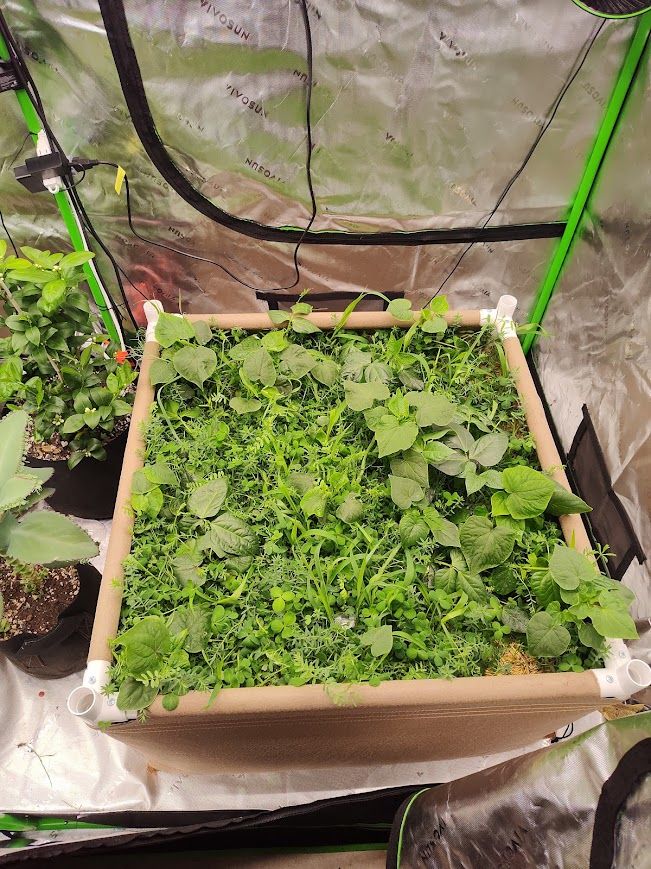
That is what a cover crop is really for. Yes it feeds the soil. But the reason growers fall in love with it is simpler than that. A living green floor under your plants looks incredible, it makes the whole thing feel like farming instead of feeding, and your main plant stops looking like it is standing alone in a pot.
12 species | Around 60% clover | Non-GMO | Small seed for containers | Grown in the USA
Bare soil is the problem
Soil was never meant to sit naked. Left bare between rounds it crusts over, dries out on top, compacts every time you water, and the biology you spent money building goes quiet with nothing to feed it. The mycorrhizal network you inoculated has no living host, so it fades.
There is a second problem that hits home mixers especially hard. When you build your own soil it is easy to end up over amended. A cover crop is the cleanest fix there is. It takes that surplus up into plant tissue and hands it back slowly as the residue breaks down, so instead of an imbalance sitting in the bed you get biomass on the surface.
And the part nobody says out loud: bare dirt is boring to look at. You did not get into growing to stare at a pot of soil.
Three steps. That is the whole thing.
You do not need equipment, a schedule, or any experience to do this well.
-
Sow it. Scatter the seed, then rake it in or top it with a light layer of compost or coco. Keep the surface damp for two weeks.
-
Let it grow. It comes up fast. Take it to 3 to 6 inches, or keep it low and living underneath your main plant.
-
Chop and drop. Cut it at the surface and leave it right there. That is your mulch, your nitrogen, and your worm food in one move.
What it looks like when it is working
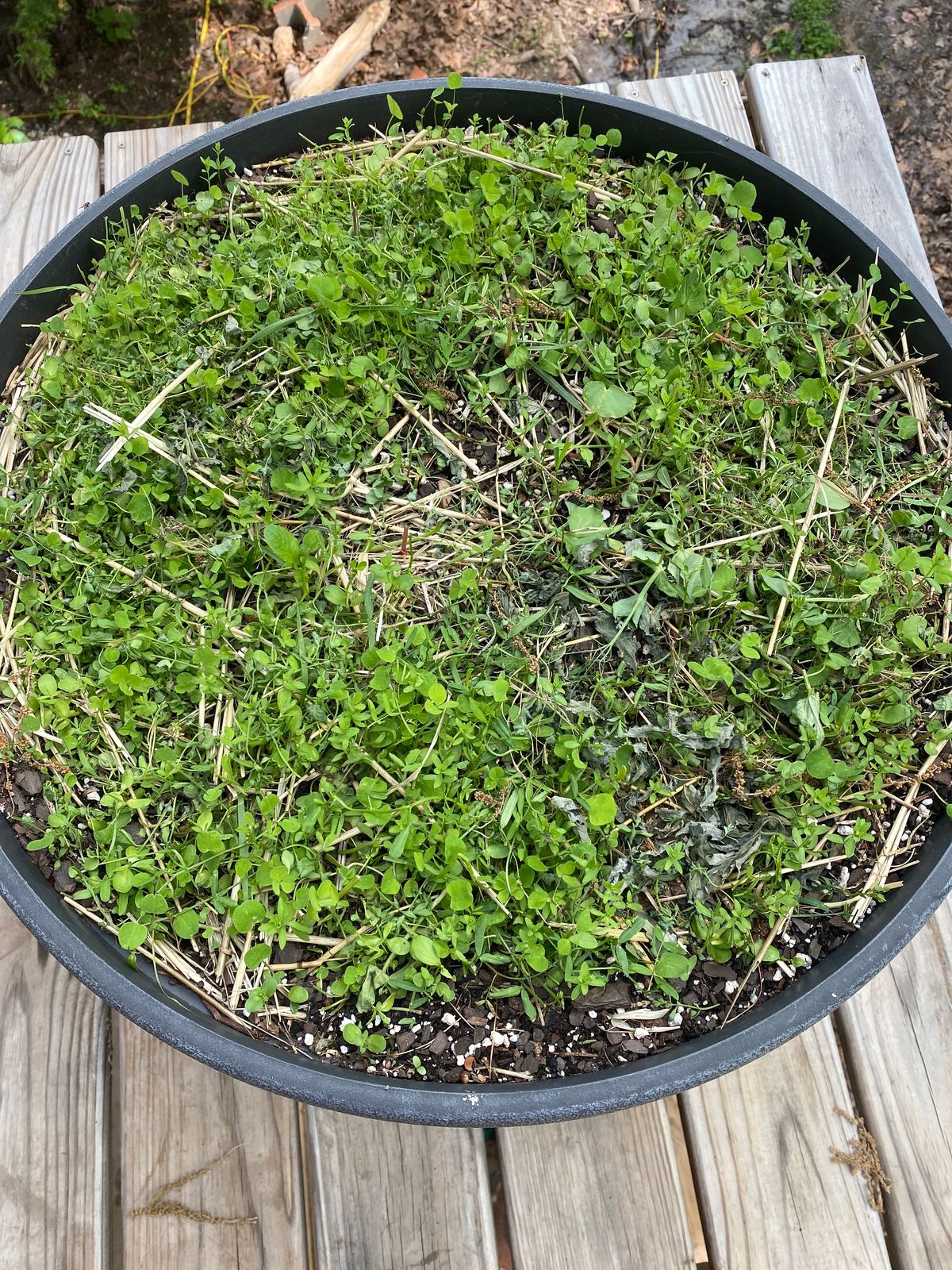
A soft green carpet under your plants that holds moisture so well you stop worrying about overwatering. Worms working right up into the surface layer instead of hiding at the bottom. Soil that stays crumbly and damp and smells alive. A canopy that has company underneath it instead of standing over bare ground.
Then you cut it down and it feeds everything. That is the whole loop, and you built it out of a bag of seed and some water.
Pick your bag size above and get a stand going this week.
Most growers start with a pound to see what it does in a few containers, then move up once they are sowing every bed between every round. It stores fine for the following season if you buy ahead.
Open any section below for the details.
Why it works: what living roots do for your soil
Feeds the microbes directly. Living roots leak sugars and organic acids into the root zone. That exudate is the fuel your bacteria and fungi run on, and no bottled input replaces it.
Keeps mycorrhizae alive between crops. Mycorrhizal fungi need a living host. A cover crop bridges the gap between rounds so the network is still there when your next plant goes in.
Evens out an over amended mix. Home built soils often carry excess. A cover crop parks that surplus in plant tissue and releases it slowly when you chop and drop.
Fixes nitrogen in place. Clovers, vetch, peas, lentils, and cowpeas all host nitrogen fixing bacteria. Chop them down and that nitrogen cycles back into the bed.
Builds structure you can feel. Twelve species means twelve different root shapes, from fine fibrous mats to deeper taproots. Roots open channels, hold aggregates together, and leave the soil friable.
Protects the surface. Bare soil crusts, compacts under watering, and dries out. A canopy keeps the top inch soft, moist, and biologically active.
Makes watering easier. Actively transpiring plants pull water through the profile. It is much harder to overwater a container that has a cover crop working in it.
Crowds out volunteers. A thick stand takes up the space and light that weeds want.
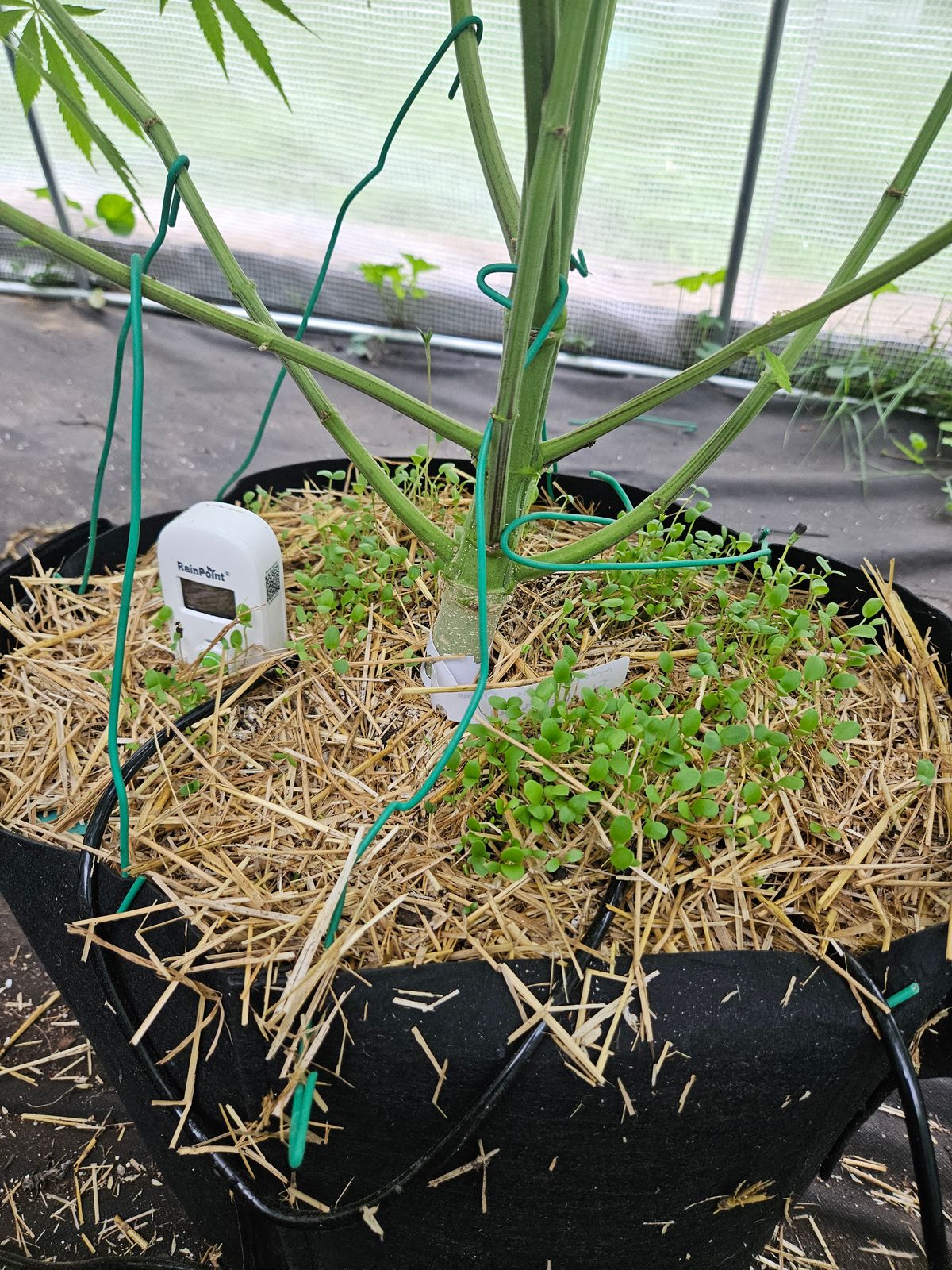
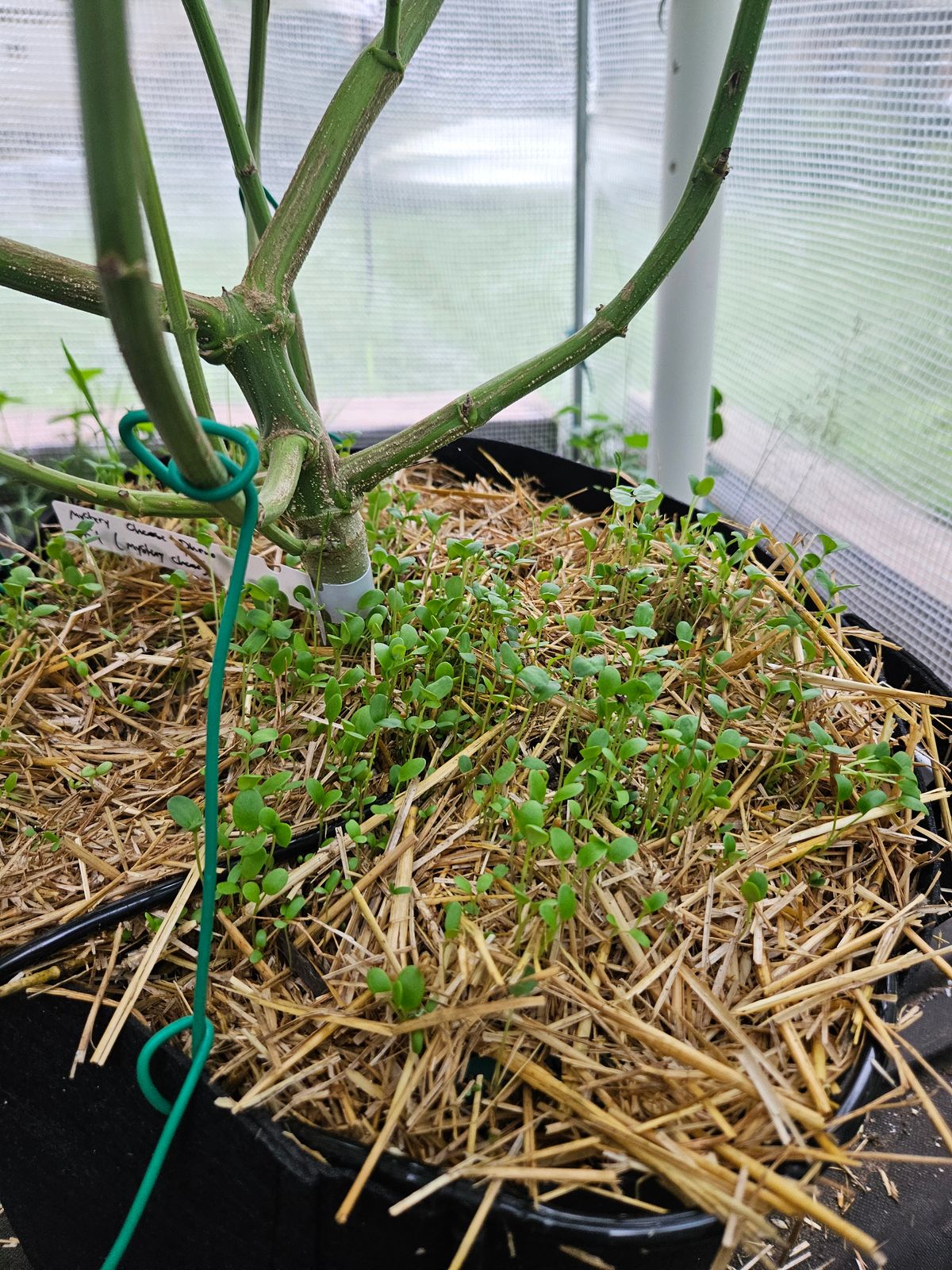
Grows your own mulch. A mulch layer is part of the BuildASoil Way, and this is the cheapest mulch there is because you grow it in place rather than hauling it in. Plenty of growers run both: lay down organic straw first, then chop and drop the cover crop into it. The straw holds structure and moisture, the green material brings nitrogen and sugars, and together they turn into an active mulch layer instead of a dry blanket sitting on top.
How to sow it, and the two ways growers use it
Get the seed into contact with the soil
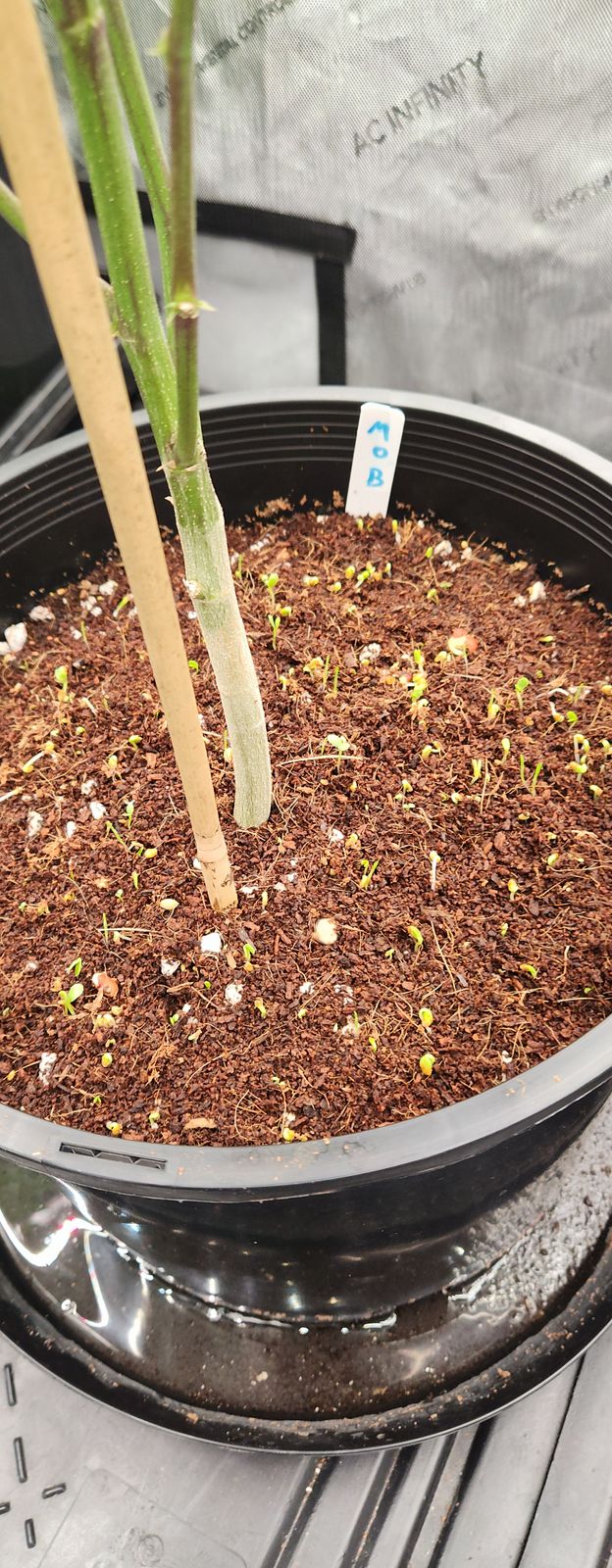
Do not just scatter and walk away. Broadcast the seed, then rake it in, scratch the surface, or top it with a light layer of compost or coco so the seed is actually touching soil instead of sitting on top of dry mulch. Seed to soil contact is the number one reason germination fails.
Then irrigate the surface more often than usual for the first two weeks. Light and frequent beats deep and occasional here. After germination you can go back to your normal watering.
Method 1: green manure between rounds
The most common way growers use this blend. It resets a bed between crops and puts a fresh pulse of biology and biomass into the soil.
-
Sow after harvest, or undersow before it. Seed the bed once it is cleared, or take the Masanobu Fukuoka approach and sow underneath the canopy shortly before you harvest, so the cover crop is already established when the main plant comes out.
-
Let it run to 3 to 6 inches. Tall enough to be real biomass, young enough to break down fast and stay tender.
-
Chop and drop. Cut it at the surface and leave the material right there. Work it lightly into the top inch if you want it gone faster.
-
Cover it. A sheet of cardboard or row cover over the chopped material holds moisture and heat and speeds decomposition considerably.
-
Plant in about two weeks. Pull the cover, and the bed is ready for transplant.
Method 2: living mulch under an established crop
Here the cover crop stays alive all season underneath your main plant. The goal is a low, subservient layer, not a competitor.
Timing is the whole trick. Sow after your main crop is already growing vigorously. If you seed too early, the cover crop can get ahead of the plant you actually care about. Seeded on time, the main canopy shades it out and keeps it in check on its own.
If any of it gets leggy, smash it down with your hand or chop a little off the top. Keep it low and keep it subordinate. In exchange you get a soil surface that never bakes, a root zone that stays biologically active, and a container that is much harder to overwater.
How much seed you need
Half a tablespoon per square foot is the rate that reliably works. Plenty of growers go to a full tablespoon or more per pot when they want the thickest, fastest stand, and that is a legitimate choice, not a mistake.
| Use |
Rate per square foot |
What a pound covers |
| Containers and beds, standard |
About 6 grams, half a tablespoon |
Roughly 75 square feet |
| Containers and beds, heavy |
A full tablespoon, 12 to 15 grams |
Roughly 30 to 38 square feet |
| Open ground, broadcast |
Light broadcast over prepared soil |
Roughly 900 square feet |
For reference, we weighed it: a level tablespoon of this blend runs about 12 grams and a heaping one about 15.
Here is the way to think about the heavy rate. Seed is stored food. When you sow thick and then chop and drop, you are essentially top dressing living seed meal that germinates first and builds a canopy on the way. Very little of it is wasted, because it all ends up back in the same soil either way. The reason we publish the lighter rate as standard is economics, not agronomy. Sow heavy in a few containers if you want the fastest results. Sow light when you are covering ground.
A 5 gallon container measures about 13 inches across, which is just under one square foot of surface. A 4 foot by 8 foot raised bed is 32 square feet, so a little under half a pound covers it at the standard rate.
What is in the blend
Four clovers make up the bulk of it, with legumes, grains, and flax rounding out the root architecture and the flowering window.
White Dutch Clover, Medium Red Clover, Crimson Clover, Yellow Sweet Clover, Hairy Vetch, Common Vetch, Forage Pea, Indianhead Lentil, Red Ripper Cowpea, Mancan Buckwheat, White Proso Millet, Carter Flax.
We aim to keep every batch identical. Seed availability shifts from season to season, so there can be slight variation between batches. Questions about a specific bag go to support@buildasoil.com.
Should I inoculate when I sow?
We recommend it, and we use Rootwise Mycrobe Complete. Sowing a cover crop is the best window you get to introduce biology, because you are about to have thousands of brand new roots looking for partners at the same time. Putting it down with the seed means those relationships form as the stand establishes instead of months later.
If your soil is already well established and biologically active you can get away without it. If you are sowing into a new mix, a bagged soil, or anything that has been sitting bare and dry, do not skip it.
Will the cover crop compete with my plants?
Not if you time it right. As a living mulch, sow it once your main crop is already growing vigorously so the canopy shades it and keeps it low. If it ever starts reaching, smash it down or chop the tops. As a green manure between rounds there is nothing to compete with, so let it run to 3 to 6 inches and cut it.
Does it steal nutrients from my soil?
It borrows them and gives them back. Everything the cover crop takes up is held in plant tissue that returns to the same bed when you chop and drop. That is exactly why it helps an over amended mix. The legumes in this blend also bring in nitrogen from the air that was not in your soil to begin with.
Do I have to till it in?
No, and we would rather you did not. Chop it at the surface and leave the residue as mulch, or work it lightly into the top inch if you want faster breakdown. Deep tillage undoes the structure the roots just built.
Why is my germination patchy?
Almost always seed to soil contact or surface moisture. Seed sitting on top of dry mulch will not germinate. Rake it in or cover it lightly, then keep the surface damp with more frequent light watering for the first two weeks.
Does it work indoors under lights?
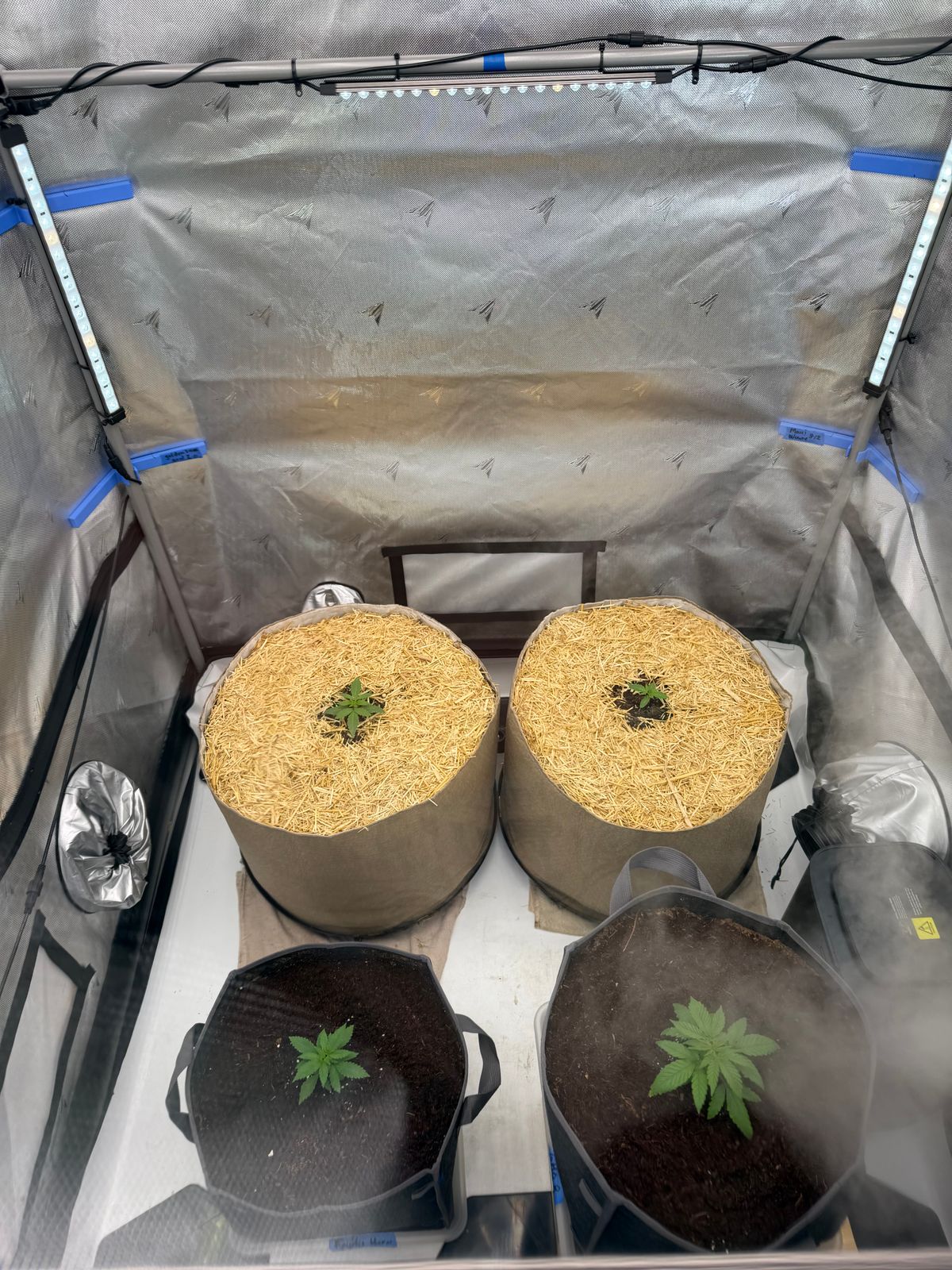
Yes. Cover crop is not just a field practice. Under lights it germinates fast and stays low, and it is one of the easiest ways to keep a no-till container alive between rounds instead of letting it sit bare and dry out.
How should I store leftover seed?
Cool, dark, and dry, sealed against moisture and rodents. Stored properly, it holds up fine for the following season.
Sow it once and you will not go back to bare soil.
Choose your size above. Pair it with organic straw for the base mulch layer, worm castings to top dress before you sow, and Rootwise Mycrobe Complete to inoculate at seeding.


 Download