Table of Contents
- I Don’t Really Believe in Transplant Shock… At Least Not the Way It’s Described
- It’s Not the Movement. It’s the Environment.
- A Simple Example That Happens All the Time
- Light Intensity Is a Major Factor
- Now, Can You Create Real Stress While Transplanting? Yes.
- Overwatering Is a Bigger Issue Than Most People Realize
- If Conditions Stay Consistent, Stress Is Minimal
- So What Is Really Happening?
- How to Transplant Without Problems
- Final Thoughts
- FAQs
I Don’t Really Believe in Transplant Shock… At Least Not the Way It’s Described
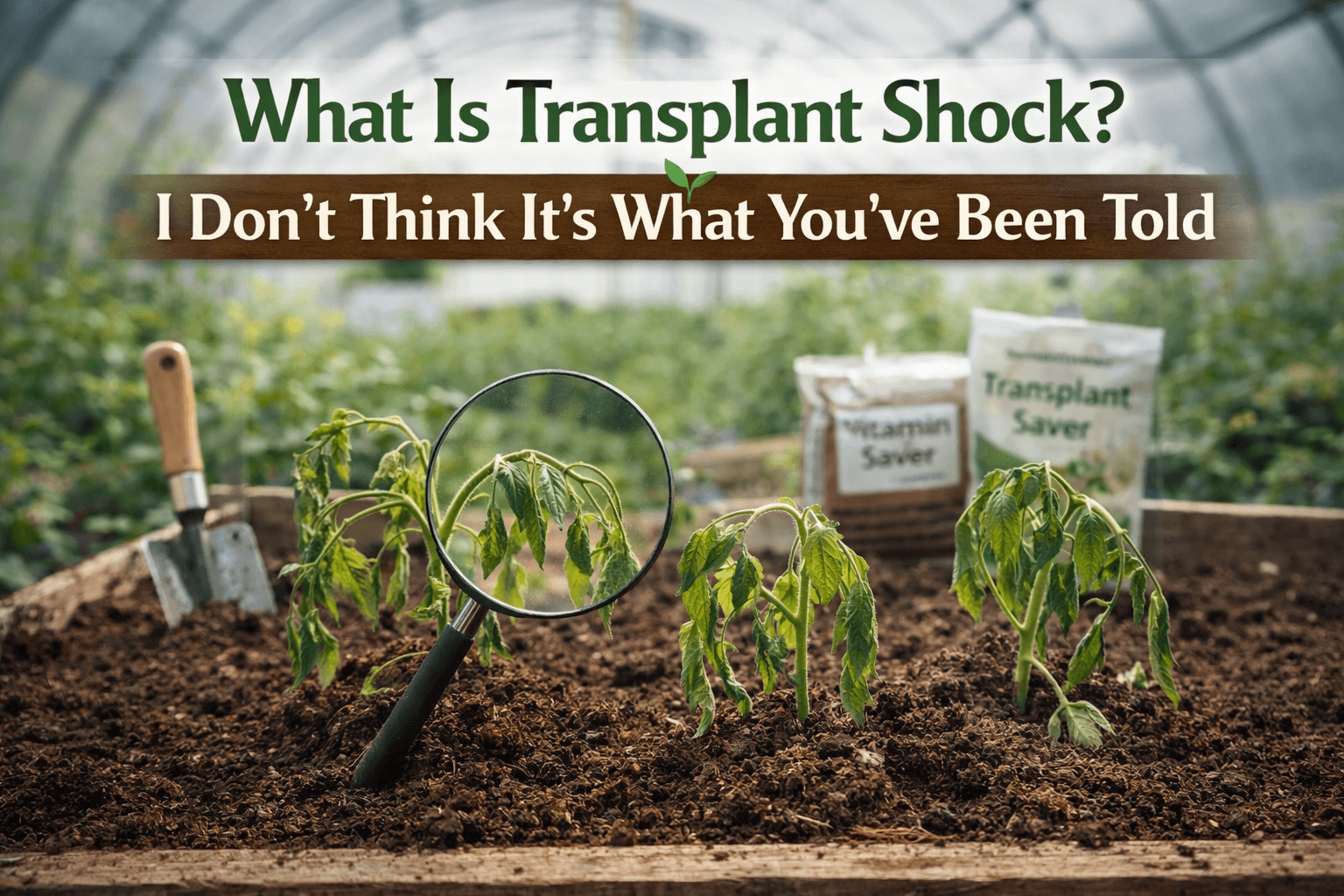
If you're new to growing, you've probably heard warnings about transplant shock.
You go to the garden center and someone tells you to watch out for it. Maybe they recommend a special product. Maybe they say you’ll need a vitamin solution or seaweed extract to prevent problems after transplanting.
And I just want to say this clearly.
I don’t really believe in transplant shock the way most people describe it.
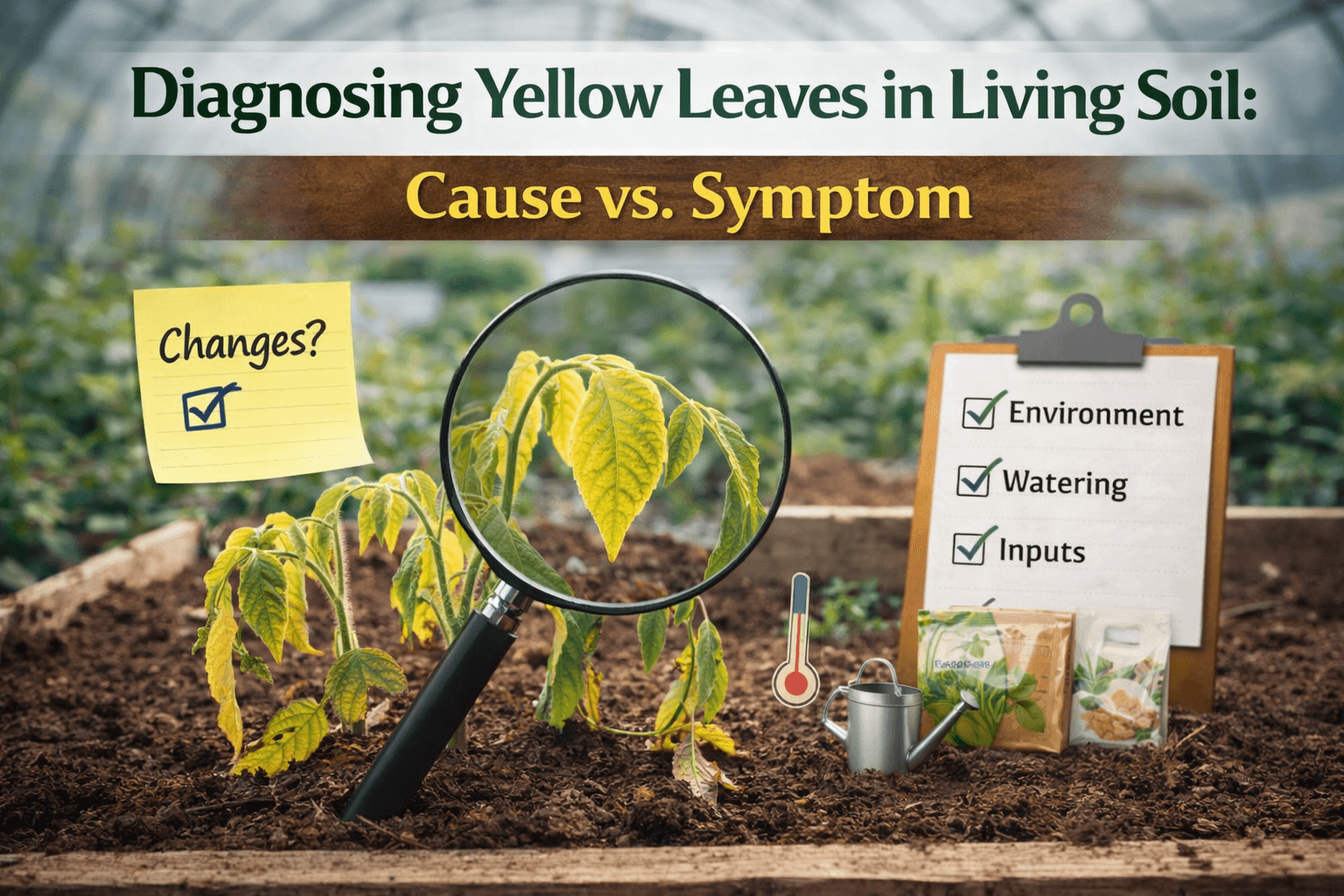
That doesn’t mean plants cannot get stressed. They absolutely can. But most of the time, what people call transplant shock is not coming from the transplant itself.
It’s Not the Movement. It’s the Environment.
When someone tells me their plant went into shock after being moved, the first thing I ask is simple.
What changed?
Did the light intensity increase?
Did temperature swing?
Did humidity drop?
Did the plant suddenly get wind exposure?
Because almost every time, that is where the real stress comes from.
The physical act of moving a plant from one container to another, if done properly, does not automatically create major problems. Plants are designed to expand roots into new spaces. That is normal biology.
A Simple Example That Happens All the Time
Let’s say you start your tomatoes or seedlings in the garage under a small shop light so you can get ahead of the season.
They look great. They are happy. Everything seems fine.
Then one afternoon, you transplant them directly into your outdoor raised bed under full sun.
That evening they look okay. The next morning they look decent. Then by the following afternoon they are wilted, struggling, maybe even laid over.
People call that transplant shock.
But what really happened?
The plant went from low intensity indoor lighting to intense full spectrum sunlight with heat and airflow. That is a dramatic environmental shift. The plant was never hardened off. It was not prepared.
The stress response came from the change in conditions, not the transplant.
Light Intensity Is a Major Factor
Plants adapt to the light they are grown under. Leaf structure, thickness, and energy processing all adjust based on intensity.
When you suddenly increase that intensity, the plant cannot immediately keep up. The leaves struggle. They droop. They may even bleach.
That stress gets blamed on transplant shock, but the root system was not the issue.
This is why hardening off matters. Gradual exposure builds resilience.
Now, Can You Create Real Stress While Transplanting? Yes.
There are ways to cause real transplant stress, but they usually involve rough handling.
Some growers believe they must aggressively tear apart the root ball. They rip and break fine root hairs because they were told it is necessary.
Fine root hairs are responsible for water and nutrient uptake. If you destroy too many of them, the plant temporarily loses efficiency. That can cause wilting and stalling.
But again, that is not the transplant itself. That is damage from handling.
Most of the time, gentle is better. If roots are circling, lightly loosen the outer layer and move on. There is rarely a need to be aggressive.
Overwatering Is a Bigger Issue Than Most People Realize
Another thing I see constantly is overwatering after transplanting.
Growers get nervous. They assume the plant needs extra help. So they soak the container repeatedly.
But roots require oxygen. When soil stays overly saturated, oxygen availability drops and root expansion slows down.
The plant droops. Growth pauses. Leaves look tired.
Again, this gets labeled as transplant shock, when the real issue is improper watering.
Proper moisture management after moving a plant is far more important than any bottle marketed for stress relief.
If Conditions Stay Consistent, Stress Is Minimal
If you transplant inside the same grow tent, under the same light, at the same temperature and humidity, most plants barely notice.
They continue growing. Roots expand into the new soil. There is no dramatic stall.
Why?
Because nothing significant changed.
Plants respond to change. Stability keeps them steady.
So What Is Really Happening?
What people often call transplant shock is really environmental stress after transplanting.
It is usually triggered by:
- Sudden increases in light intensity
- Temperature fluctuations
- Wind exposure
- Humidity changes
- Improper watering
- Severe root disturbance
When those variables are controlled, stress is rare and short lived.
How to Transplant Without Problems
- Keep lighting consistent or increase it gradually
- Harden plants off before moving outdoors
- Avoid transplanting during extreme heat
- Handle the root ball gently
- Water appropriately, not excessively
- Maintain stable environmental conditions
Transplanting should be a routine step in plant development, not a dramatic event.
Final Thoughts
I don’t think transplant shock is the monster it is often made out to be.
Most of the time, it is simply a plant reacting to sudden environmental change.
If you focus on consistency, proper timing, and smart watering, transplanting becomes predictable and low stress.
No magic solution required. Just good growing practices.
Check out our free environmental guide PDF here.
Rootwise Mycrobe Complete
$30.00
Mycrobe Complete is a dry, full-spectrum soil inoculant. Twenty species of beneficial bacteria, mycorrhizae, and fungi in one bag. You mix a very small dose into water and drench the root zone, whether you are firing up a brand new… read more

Nursery Solo Cups
$16.00
The Nursery Solo Cups are perfect for annuals, perennials, and specialty crops. A cheaper, smarter alternative, thermoforming is an eco-friendly process that saves on resources by utilizing less plastic during production. However, these round polypropylene pots will retain all the… read more

BuildASoil Heady Start Seedling Soil Recipe
$26.00
Your seedlings and clones deserve the best start possible. Too often, growers struggle with seedling soils that dry out too quickly, stay too wet, or simply don’t provide the right nutrition. A poor start can mean weak roots, slow growth,… read more

Coco Coin - Rooting Pucks by Char Coir
$33.00
Coco Coin - Your Go-To Propagation Plug Discover the magic of effortless gardening with the Coco Coin - a 100% coco coir propagation plug designed for seeds, clones, and cuttings. Free Shipping Available Each Pack Contains 78 Coins Why Choose… read more

FAQs
What is transplant shock?
Transplant shock is plant stress that happens after moving a plant from one environment to another. Most of the time, it is not caused by the act of transplanting itself, but by sudden changes in light, temperature, humidity, wind, or watering.
Does transplant shock really exist?
Yes, transplant shock exists. But it is often misunderstood. In most cases, what people call transplant shock is really just environmental stress from a drastic change in conditions.
What causes transplant shock?
Transplant shock is usually caused by sudden increases in light intensity, temperature swings, wind exposure, humidity drops, overwatering, or aggressive root damage during transplanting.
What are the symptoms of transplant shock?
Common symptoms include wilting, drooping leaves, slowed growth, yellowing, or temporary stalling. These symptoms are often tied to environmental changes rather than the transplant itself.
How long does transplant shock last?
If a plant experiences transplant shock, it usually lasts a few days to about a week while the plant adjusts. Stable conditions and proper watering help speed recovery.
How do you prevent transplant shock?
Keep the environment consistent. Gradually increase light intensity. Harden plants off before moving them outdoors. Handle roots gently and avoid overwatering after transplanting. Any environmental changes should be slow or hardened off to with a slow transition.
Should I use a product to prevent transplant shock?
Most of the time, no. Proper environmental management and watering practices are far more important than bottled products marketed for transplant shock. The reason we recommend Rootwise microbial products is because the addition of beneficial biology with the fresh transplanted roots allows for seamless transition from transplant to growth while outcompeting the pathogens.
Can overwatering cause transplant shock symptoms?
Yes. Overwatering after transplant is one of the most common causes of drooping and stress. Roots need oxygen, and overly saturated soil can slow root expansion and mimic transplant shock.